
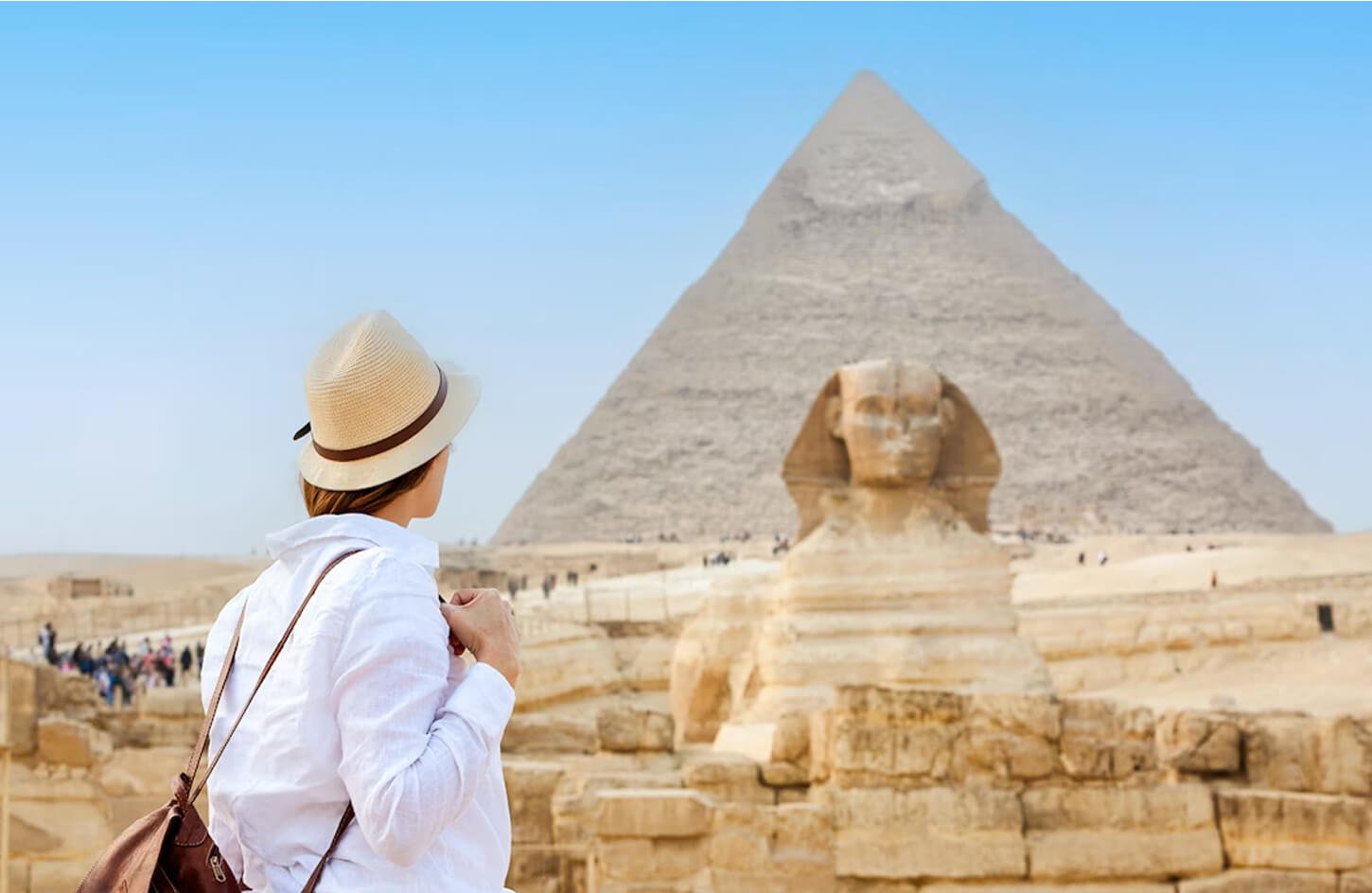
Standing before the Great Pyramid of Giza for the first time is an unforgettable moment. The sense of awe as you gaze at one of the Seven Wonders of the Ancient World is incredible. But for many travelers, that moment is quickly interrupted by unwanted vendors, “free” camel photo offers, and guides who appear friendly only to demand tips later. Unfortunately, these distractions happen daily, and they can turn an otherwise magical experience into a stressful one.
As local licensed guides who work at the Pyramids every week, we’ve seen every trick in the book. We know exactly how to avoid the tourist traps, bypass the pressure, and enjoy a calm, authentic visit — just like the locals do. The good news? With a few simple phrases, smart choices, and awareness of the most common on-site tactics, you can explore the Pyramids confidently, without overpaying, getting tricked into a camel ride you didn’t want, or feeling overwhelmed.
Here’s our honest, experience-based guide to enjoying the Pyramids the right way — with confidence, respect, and zero stress.
Key Takeaways
- Learn the most common tourist traps and scams at the Pyramids.
- Discover exact phrases locals use to politely decline offers.
- Understand where tipping is expected vs. where it’s a trick.
- Know how to move through the site confidently without being targeted.
- Bonus: Why exploring with a licensed local guide makes your visit smoother and stress-free.
The Most Common Tourist Traps at the Pyramids
The Pyramids are one of Egypt’s most visited sites, and unfortunately, that means they attract a lot of tourists who are unaware of the common tricks that could spoil their experience. Here’s what to watch out for:
Make your cruise even better with these amazing Egyptian dishes!
“Free” Camel Photo → Suddenly Pay per Picture
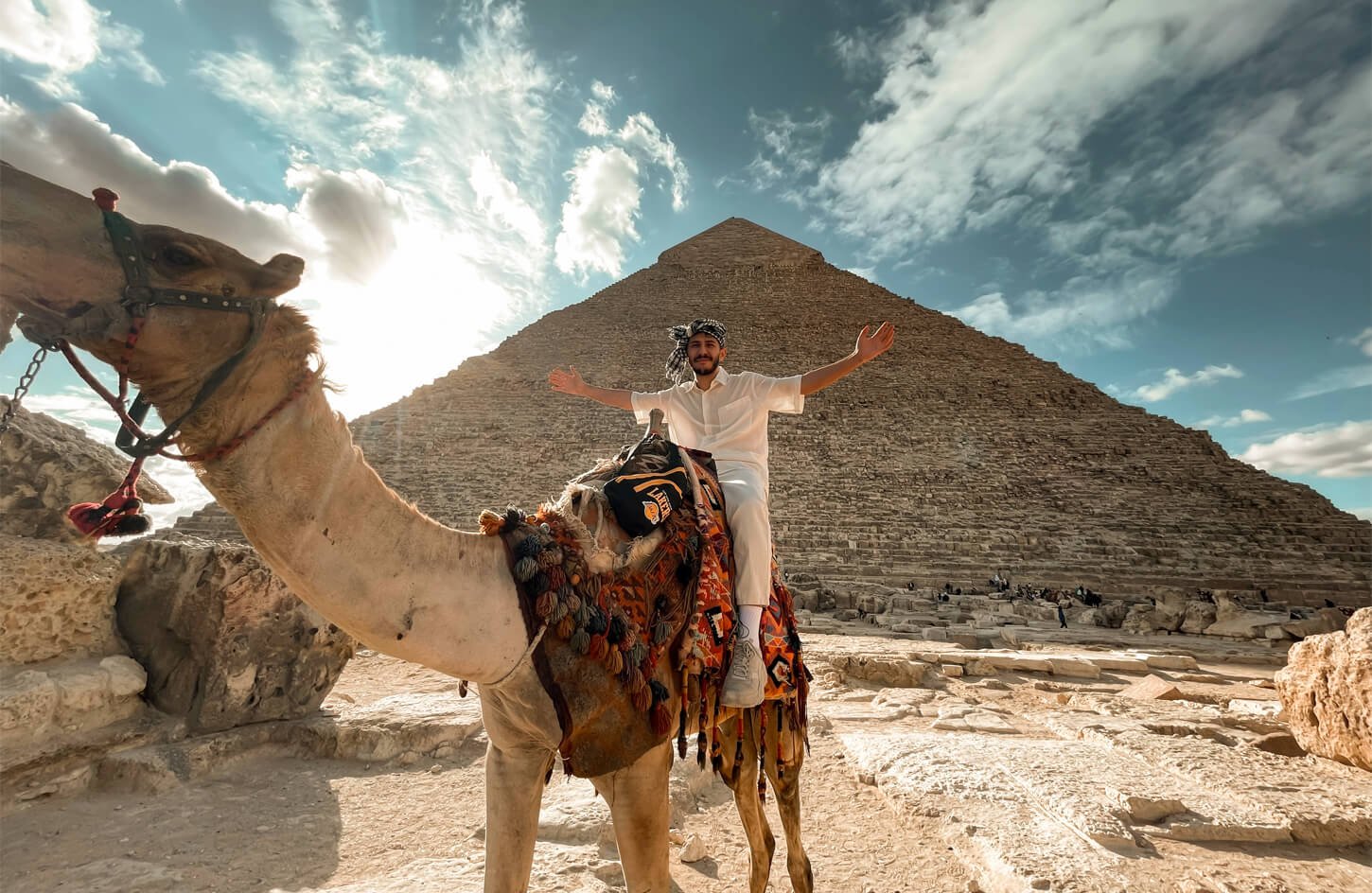
One of the most common tricks involves “free” camel rides or photo opportunities near the Pyramids. A vendor will offer you a picture with the camel and then suddenly demand payment once the photo is taken. This often leads to an uncomfortable situation where the price is inflated, and you’re pressured to pay far more than the photo is worth.
“Let Me Show You a Better View” → Unofficial Guide Trick
Another trick is when someone approaches you offering to show you a “better view” or to take you on a private tour around the site. These individuals are typically unlicensed guides who don’t have the authority to take you to special spots. While their offers might seem tempting, they usually end up demanding high tips or even leading you to tourist traps.
Souvenir Sellers Placing Items in Your Hand → Forced Purchase
Some vendors will place souvenirs in your hand, expecting you to buy them once you’re holding the item. If you try to refuse, they can become insistent or even aggressive. This is a common tactic used to pressure tourists into purchasing overpriced trinkets they didn’t ask for.
“Ticket Check” Scam — Unofficial People Pretending to Check Passes
Another scam involves people posing as “ticket checkers” who approach you while you’re walking around the site. These individuals aren’t official employees and will attempt to charge you for entry or a “tip” for a ticket check that isn’t needed. Always remember that official ticket checks are conducted at the entrance, not on the site itself.
⚠️ Local Alert Box: “If someone says ‘No money, just look,’ it almost always ends in a tip request.”
How Locals Avoid These Traps — Real Strategies
The best way to avoid scams is by adopting strategies that make you less of a target. Here’s how locals handle these situations:
Walk with Purpose — Wanderers Are Targeted More
People who wander aimlessly or appear unsure of where they’re going are more likely to be approached by vendors and unofficial guides. Walking with purpose and confidence shows that you know where you’re going, which deters opportunistic vendors and scammers.
Stay Inside Marked Pathways — Side Tracks = Vendor Zones
To avoid getting distracted by souvenir sellers or unofficial guides, stay inside the marked pathways. Straying off these paths leads you into areas where vendors are more likely to approach you. Staying on the main routes keeps you in sight of official staff and away from vendor zones.
Use Confident Body Language — Avoid Eye Contact & Slowing Down
Non-verbal communication is key. Avoid making eye contact with people trying to approach you. Keep a brisk pace, and if someone does try to engage you, maintain a firm and confident body language. This signals that you are not interested and reduces the chances of being followed or approached further.
Want the best Cairo experience from Alexandria and Port Said? Here’s your guide!
Exact Phrases to Politely Decline in Arabic and English
One of the most useful tools for avoiding tourist traps is knowing how to politely decline offers. Here are a few essential phrases that locals use to ward off unwanted interactions:
“La, Shukran” — No Thank You (Said Firmly, with a Smile)
This simple phrase means “No, thank you.” It’s direct yet polite, and locals appreciate a firm but friendly refusal. It’s an effective way to let someone know you’re not interested, especially when you’re in a hurry.
When to Speak and When to Just Keep Walking
Sometimes, saying nothing at all is the best tactic. If you’re approached by a vendor or unofficial guide, don’t feel the need to explain yourself. Simply keep walking, and they will usually leave you alone. However, if you must speak, use the phrases mentioned above, and don’t engage in lengthy conversations.
🗣️ Phrase Box Example:
“La shukran, ana ma’aa guide” (No thank you, I’m with a guide) — works instantly.
Safe Souvenir Shopping — When and Where to Buy Instead
While there are plenty of souvenir vendors at the Pyramids, it’s best to be cautious about where and when you buy. Here’s how to shop safely:
Avoid Buying Inside the Complex Unless with a Guide
Inside the Pyramid complex, the prices are usually inflated, and you’re more likely to encounter pressure tactics. It’s best to avoid buying from inside the complex unless you are with a trusted guide who knows the fair prices.
Insider Tip: Better-Priced Souvenir Areas Near the Exit or in Old Cairo
For more reasonably priced souvenirs, consider stopping at shops near the exit or in Old Cairo. These places tend to offer better deals without the high-pressure sales tactics you’ll find at the Pyramids.
Should You Ride a Camel? How to Do It Safely (If You Want To)
Riding a camel near the Pyramids is an iconic experience, but it can come with its own set of challenges. Here’s how to enjoy a camel ride without falling victim to scams:
How to Agree on Price Before Mounting — and Confirm If Photo is Included
Before agreeing to ride a camel, make sure you’ve negotiated a price upfront and confirmed whether photos will be included in the price. Some camel handlers may offer a “low” price but will charge extra for photos later, so always ask beforehand.
Always Choose Camels Handled by Licensed Operators Near Panoramic Viewpoint
To ensure your safety and avoid scams, always choose camels handled by licensed operators near the designated panoramic viewpoint. These operators are registered and regulated, so you’re more likely to have a safe and fair experience.
Tipping Etiquette — When It’s Customary vs When It’s a Pressure Trick
Understanding local tipping customs will help you avoid being tricked into giving money when it’s not warranted.
Where Tipping Is Respectful (Site Guardians, Camel Handler If Agreed)
Tipping is customary in Egypt, but it should always be for services rendered. Site guardians or guards at the Pyramids, as well as camel handlers (if you’ve agreed to a ride), are typically tipped directly for their services.
Learn the perfect time to visit the Pyramids and beat the cruise crowds!
When Not to Tip — “Photo Bomb” Tipping Trap Explained
The “photo bomb” scam is when someone takes a photo of you without asking and then demands a tip for the photo. This is a tactic used by some unofficial guides and vendors. Be firm and polite when declining, and don’t give in to pressure.
Why Going with a Licensed Local Guide Makes All the Difference
Exploring the Pyramids with a licensed local guide is one of the best ways to avoid scams and ensure a smooth visit. Here’s why:
Vendors Don’t Approach Groups with Registered Guides
When you’re with a licensed guide, vendors and unofficial guides are much less likely to approach you. Official guides have established relationships with the vendors and are respected by the local community. They act as a shield for their guests.
Guides Handle Tickets, Camel Prices, Photo Spots & Shield You
A licensed guide will handle all the details, including tickets, camel prices, photo opportunities, and site navigation, ensuring that you don’t get caught in any tricky situations. They also know how to avoid the crowded spots and take you to the best views without the hassle.
💬 Authority Note: “At the Pyramids, locals respect licensed guides — they won’t hassle their guests.”
Final Local Tips for a Smooth, Scam-Free Pyramid Visit
- Always keep a firm, polite attitude when declining offers.
- Stick to the marked pathways and avoid side routes.
- Stay alert, but remain calm and confident throughout your visit.
- If you’re uncertain about something, ask your licensed guide for advice.
- Never hand over your phone or camera to anyone who offers to take a “better” photo for you — only give it to your guide.
❓ FAQ Section
Are the Pyramids safe to visit without a guide?
It’s possible to visit the Pyramids without a guide, but doing so exposes you to the risk of scams and missed opportunities for a deeper understanding of the site. A licensed guide ensures a smoother, more informative visit.
Can I take photos without being charged?
Yes, you can take photos, but beware of unsolicited offers for photos by other individuals or camel handlers, as they may demand a tip afterward.
Do I have to tip every person who speaks to me?
No, you should only tip for services rendered. If someone takes a photo or provides a service, then tipping is expected.
What should I say when someone offers a camel ride?
Politely decline by saying “La shukran, ana ma’aa guide” (No thank you, I’m with a guide).
How do I know if someone is an official guide?
Official guides will have a badge or certification. They are also usually affiliated with tour companies or recognized by the government.
⭐ Insider Local Tip Boxes
- “Never let anyone take your phone ‘to take a good photo for you’ unless with your guide.”
- “If someone walks beside you uninvited, say ‘I already have a guide’ — they leave immediately.”
- “Locals respect firm but polite refusals — avoid long conversations.”