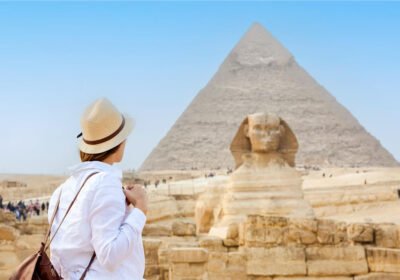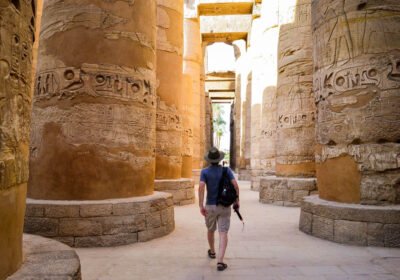

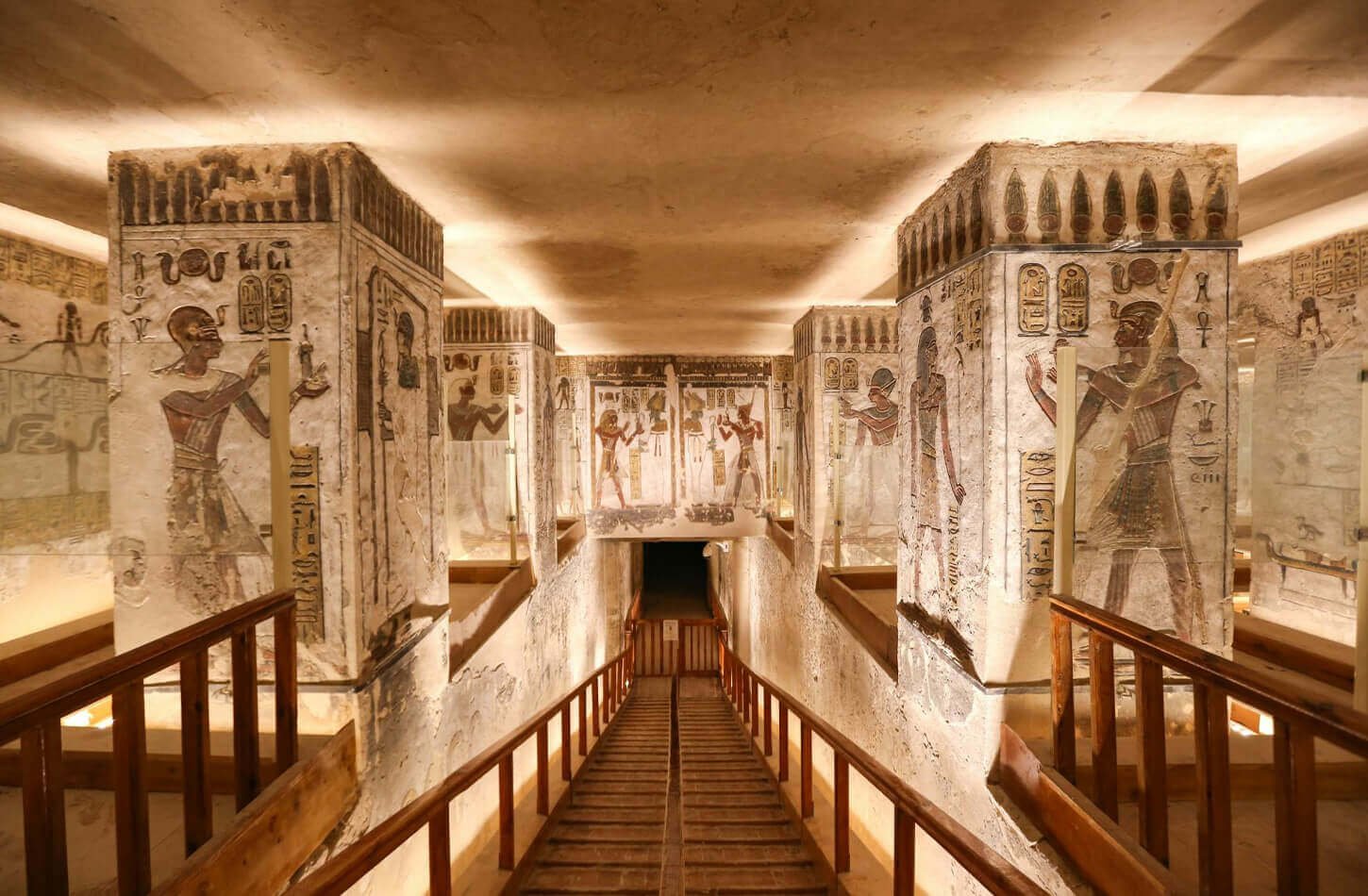
If you’ve browsed cruise forums or social media, you’ve probably seen alarming posts like, “Don’t step out of the port in Egypt — it’s too dangerous,” or “Only book through the cruise line — private tours will leave you stranded.” The truth? Most of these fears come from outdated stories or travelers who never actually explored Egypt with licensed local guides.
As a local tour operator welcoming hundreds of cruise passengers each month through Alexandria, Port Said, and Safaga, we see the real picture every day: guests enjoying the Pyramids, Cairo, and Luxor safely and stress-free. When it comes to Safety in Egypt, the reality is far different from what online rumors suggest. Egypt’s ports operate under a structured system with strict security, official tour licensing, and verified operator access — ensuring a smooth and secure experience from ship to shore.
Yes, Egypt is vibrant, loud, and full of life — but that’s part of its magic. With proper preparation, cultural awareness, and a registered guide, your shore day in Egypt isn’t just safe; it’s unforgettable.
In this guide, we’ll separate online myths from on-the-ground facts so you can explore Egypt confidently — not cautiously, and understand the true meaning of Safety in Egypt from a local perspective.
Key Takeaways
- Cruise passengers safely tour Cairo and Luxor every week with licensed local guides.
- Most online fears come from hearsay — not real recent cruise traveler experiences.
- Port security is strict — only registered operators may pick up inside.
- Independent tours are safe if booked with an official provider with port access and return guarantees.
- Cultural awareness and basic respect gestures make travel smoother and safer.
It’s Not Safe to Leave the Ship in Egypt
Fact: Every week, thousands of cruise passengers safely explore Cairo, the Great Pyramids, the Sphinx, and Luxor under the supervision of licensed local guides. Egypt’s tourism industry depends heavily on cruise visitors, and the government ensures their safety through well-organized systems at every port. Whether your ship docks in Alexandria, Port Said, or Safaga, all passengers must exit through secure terminals monitored by port police, tourist security units, and official tour operators who are pre-approved to enter.
Not sure whether to visit Luxor or Cairo from Safaga? Let us help!
Cruise passengers traveling on private day tours are always escorted from the moment they exit the ship until they return. Each tour vehicle is registered with the Tourism Police, and routes to Cairo or Luxor are patrolled continuously. Local guides maintain contact with port officers, ensuring every group’s timely return.
Far from being dangerous, stepping off your ship opens the door to one of the world’s greatest travel experiences — walking among the Pyramids, visiting the Grand Egyptian Museum, or cruising the Nile — all with complete safety and official oversight.

Port Police and Tourist Security Units Actively Protect Cruise Visitors
Egypt’s Tourist Police Department, a dedicated branch of national security, focuses solely on the protection of visitors. These officers work hand-in-hand with local tour operators and port authorities. You’ll often see uniformed officers at highway checkpoints and key tourist stops — not to intimidate, but to ensure travelers are moving along designated safe routes. For extra reassurance, major roads between Alexandria and Cairo or Safaga and Luxor include regular patrol points, giving you a seamless and secure journey from ship to site and back.
Only Cruise Line Tours Are Safe — Local Tours Are Risky
Fact: Licensed local tour operators in Egypt are registered with both the Ministry of Tourism and Port Authority, meaning they must meet the same safety, insurance, and timing requirements as cruise line tours — often exceeding them in flexibility and service. These operators receive official entry permits to pick up guests inside the port gates, not outside on public streets.
Private tours also operate under strict regulations: vehicles are tracked, guides hold government-issued licenses, and each itinerary is filed with the Tourist Police before departure. Most importantly, local operators coordinate directly with port control to monitor ship schedules in real time, ensuring every guest returns well before departure.
Booking locally allows travelers to enjoy smaller group sizes, customizable itineraries, and access to more authentic experiences — like a traditional Egyptian lunch or a quiet stop at the Nile promenade — without sacrificing a single ounce of safety.
Private Tours Include Official Pickup Clearance and Insurance
Reputable local companies must hold a Tourism Operation License (Category A), which grants them the right to pick up guests from ports under insurance coverage. This includes full liability protection, transportation approval, and emergency backup plans in case of road delays. Licensed guides are also required to carry identification badges and register passenger names with port police before pickup.
Local Insight Box: “If a guide meets you inside the port gate — they are officially approved.”
By choosing a registered local operator, you’re not taking a risk — you’re gaining flexibility, authenticity, and value while staying fully protected by Egypt’s tourism laws and port systems.
You Might Miss the Ship if You Don’t Book with the Cruise
Fact: This is one of the most common — and most misleading — myths spread across cruise forums. In reality, professional local tour operators build their entire reputation on ensuring cruise guests return to the ship early, not late. Unlike large cruise buses that travel in big groups with slower logistics, private tours usually depart earlier, move faster, and return with plenty of buffer time — often 90 to 120 minutes before the ship’s final boarding call.
Local operators know port departure schedules down to the minute. They monitor live AIS tracking systems (Automatic Identification System) — the same maritime data used by port control and cruise lines — to follow any schedule changes in real time. This allows them to adjust departure times and routes instantly, ensuring guests are never rushed or delayed.
Small private groups also benefit from flexibility: if you wish to shorten a visit, skip a traffic-heavy street, or head back early, your guide can make the change immediately — something impossible with large cruise convoys.
Can you visit Cairo from Alexandria Port? Here’s everything you need to know!
How Local Guides Monitor Ship Boarding Time Live Using AIS Systems
Every local operator with port clearance has direct communication with the Port Authority Office and monitors AIS data that updates every few minutes. This system shows your ship’s real-time docking and boarding schedule, meaning your driver and guide always know when to have you back — with time to spare.
Most travelers are pleasantly surprised to find that private tours return them to the port well before the cruise buses. You’ll often have extra time to shop at the duty-free stores or enjoy a coffee near the terminal — confident that your guide has handled every detail.
Egypt Is Too Chaotic and Unsafe to Explore Comfortably
Fact: Egypt’s rhythm is indeed lively — bustling markets, honking cars, energetic vendors — but beneath the surface is a country with deep respect for hospitality and guest safety. For decades, Egypt’s economy has relied on tourism, especially from cruise visitors, so the safety of travelers is treated as a national priority.
Major routes between Alexandria and Cairo and Safaga and Luxor are monitored by tourist police patrols. Each convoy is logged at highway checkpoints, and all tour vehicles are registered with the Ministry of Tourism. These systems create a protective corridor that allows visitors to explore iconic sites like the Great Pyramids of Giza, the Sphinx, Karnak Temple, and the Valley of the Kings with full peace of mind.
Hotels, museums, and restaurants that cater to tourists also operate under strict health and security regulations. You’ll notice visible security presence at entrances — a standard precaution across all tourist areas to maintain comfort and order, not a sign of danger.
Egypt’s Tourism Economy Relies Heavily on Safe Guest Experiences
The Egyptian government invests millions annually in maintaining and improving visitor safety. The Tourist Police Authority works directly with embassies and cruise companies to ensure seamless operations at all ports. For Egypt, tourism isn’t just a source of pride — it’s one of the country’s main economic pillars. That’s why keeping visitors safe, informed, and satisfied is a shared mission across all levels of service — from police officers and guides to drivers and hotel staff.
When travelers return to their cruise ships after a full day exploring Egypt, most say the same thing: “It felt safer and more organized than we expected.”
Locals Will Harass Tourists
Fact: Egyptian vendors can indeed be energetic — especially around major sites like the Pyramids or the Valley of the Kings — but the idea that locals “harass” tourists is a huge exaggeration. In reality, most interactions are friendly and based on enthusiasm rather than aggression. Many sellers make their living from tourism and see visitors as honored guests. A polite smile and a calm “La Shukran” (No thank you) is all it takes for them to back off respectfully.
Cultural misunderstandings often fuel this myth. Egyptian communication is expressive — tone and gestures can seem intense to Western travelers but are rarely hostile. Local guides help bridge this gap, teaching simple phrases and etiquette to make exchanges smoother. They also accompany guests through crowded areas, ensuring your visit feels comfortable and enjoyable from start to finish.
Visitors who approach locals with patience and a sense of humor usually find the interactions charming rather than overwhelming. Many even end up enjoying a bit of light-hearted bargaining for souvenirs!
Simple Cultural Etiquette Reduces Unwanted Attention Instantly
Respect goes a long way in Egypt. Dress modestly around religious or rural areas (shoulders and knees covered), avoid taking close-up photos without permission, and keep your tone friendly but firm when declining offers. Guides are always nearby to step in if you feel uncomfortable, but in most cases, a confident smile and polite refusal are enough.
The reality is that Egyptians take pride in their reputation for hospitality — most will go out of their way to help you, not hassle you.
Avoid these common mistakes when cruising in Egypt—read now!
Food and Water Are Unsafe — You’ll Get Sick
Fact: Egyptian cuisine is delicious, flavorful, and — when enjoyed in the right places — perfectly safe. Licensed tour operators partner with trusted restaurants that maintain high hygiene standards and cater specifically to international travelers. Whether you’re savoring grilled kofta, fresh falafel, or a hearty plate of koshari, eating in reputable establishments recommended by your guide is completely fine.
Most travelers who fall ill do so from underestimating the Egyptian sun, not from the food. Staying hydrated and following a few simple rules will keep you feeling great throughout your shore excursion.
What to Avoid (Street-Cut Fruit, Tap Water, Ice from Unknown Sources)
To stay safe, avoid drinking tap water, street-sold juices, or ice cubes from unknown sources — as these may not be purified. Stick to sealed bottled water, which is widely available everywhere, and avoid eating uncooked vegetables or fruit cut in the street. Your guide will always know the safest and cleanest restaurants, cafes, and rest stops along the way.
Local Tip: Most reputable restaurants in Cairo and Luxor use filtered water and maintain international-level cleanliness standards. You can confidently enjoy Egyptian favorites like shawarma wraps, freshly baked pita bread, or creamy hummus without worry.
Eating local food is part of experiencing the country’s culture — and with a knowledgeable guide’s advice, it’s both safe and unforgettable.
What Real Cruise Travelers Experience (Not Internet Rumors)
After reading countless warnings online, many cruise passengers arrive in Egypt feeling nervous. But by the end of the day — after standing before the Pyramids of Giza, cruising the Nile River, or exploring the Valley of the Kings — nearly all say the same thing: “We expected stress… but it was the best day of our cruise.”
The reality on the ground is far different from what you read in old online threads. From the moment licensed guides greet guests inside the port gates, everything is coordinated — comfortable vehicles, chilled water, air conditioning, restroom stops, and pre-booked entrance tickets. You’re never left waiting or wandering alone.
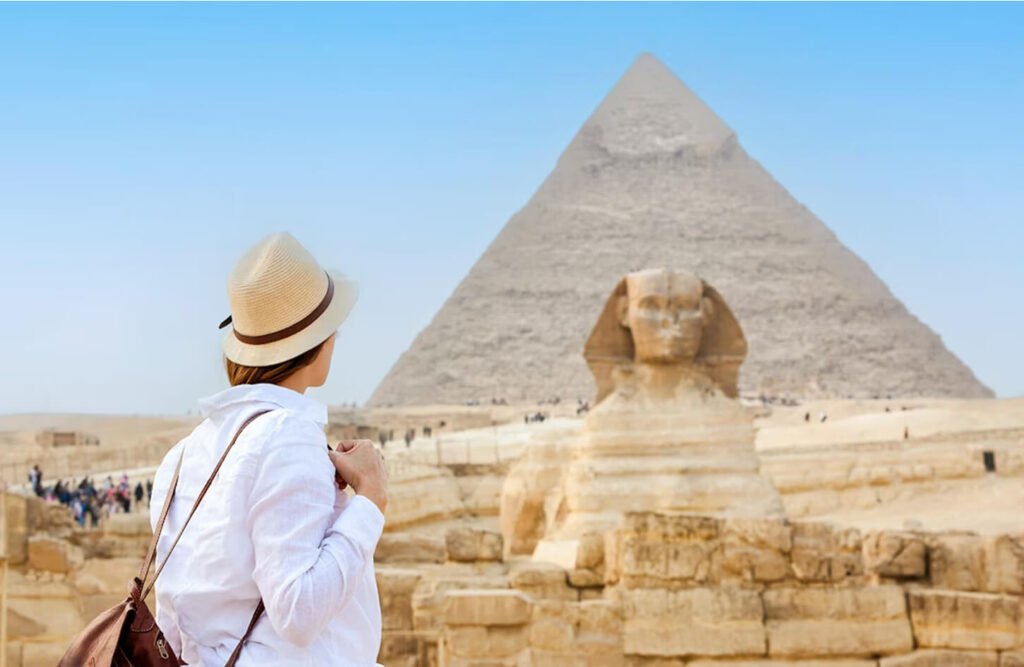
Many visitors share glowing reviews after discovering how smooth and organized their private Egypt tour actually was. Drivers communicate with port control, guides handle logistics, and timing is so precise that most tours end with extra time before boarding. What was once a day filled with anxiety becomes a highlight filled with awe, laughter, and relief.
You’ll often see cruise guests returning to their ships beaming — holding souvenirs, full of local food, and talking about how welcoming the Egyptians were. These are real, first-hand impressions — not social media rumors.
Discover the must-try Egyptian dishes for cruise travelers—start here!
Final Safety Tips from Local Cruise Guides
Traveling smart in Egypt doesn’t mean being afraid — it means being prepared. Here are the essential local tips every cruise passenger should follow for a smooth and safe visit:
- Keep photocopies of your passport in case of emergency or lost items.
- Follow dress respect guidelines — modest attire helps you blend in comfortably and shows cultural understanding.
- Stay hydrated — Egypt’s dry climate can dehydrate quickly, so drink sealed bottled water regularly.
- Ask your guide before making purchases to avoid tourist traps and to ensure fair prices.
- Always book with a locally licensed operator — never with random taxis or unofficial sellers outside the port.
- Communicate clearly with your guide about timing, preferences, and any concerns — they’re there to help, not rush.
Pro Tip: Reputable local operators provide emergency contact numbers, air-conditioned vehicles, and onboard Wi-Fi — giving you both comfort and connectivity throughout the day.
Your safety in Egypt isn’t about luck; it’s about choosing the right professionals who understand how the cruise system works and who prioritize your comfort from start to finish.
Local Reassurance Highlights
- Cruise transport routes are patrolled by tourist police — Egypt protects its guests.
- We escort you from port gate to port gate — no traveler is left alone.
- Your guide’s top priority is timing — we return 90 minutes before ship boarding closes.
- Every tour vehicle is registered, insured, and tracked for your peace of mind.
- Our guests don’t just see Egypt — they feel it, safely and confidently.
FAQ
1. Is it safe to take a private tour in Egypt from the cruise port?
Yes. Private tours operated by licensed Egyptian companies are fully registered with the Ministry of Tourism and Port Authority. These operators are authorized to pick up guests inside port gates and coordinate directly with port control, ensuring complete safety and timely return to your ship.
2. How do I know if a tour operator is licensed and approved?
Ask to see their official Tourism Operation License (Category A) or confirmation of port pickup clearance. Legitimate companies will always provide this upon request. If your guide meets you inside the port gates, they are officially approved.
3. Do private tours guarantee return to the cruise on time?
Absolutely. Local tour companies plan itineraries around your ship’s schedule, using real-time tracking systems (AIS) and maintaining constant communication with port control. Most tours return at least 90 minutes before boarding closes.
4. Is Egypt safe for seniors and solo cruise travelers?
Yes. Egypt is welcoming to travelers of all ages. Vehicles are comfortable, air-conditioned, and guides are attentive to guests’ needs. Solo travelers and seniors often find private tours more personalized and relaxed than crowded cruise excursions.
5. What should I be cautious about while exploring Egypt?
Avoid drinking tap water, stay hydrated, wear sunscreen, and bring small change for tips or restrooms. Be polite but firm with vendors, and always listen to your guide’s instructions regarding safety and cultural etiquette.
Conclusion
Egypt’s reputation online doesn’t always match the truth on the ground. Yes, it’s a country of contrasts — ancient wonders beside modern chaos — but it’s also a destination where safety systems are deeply structured around tourism. Every cruise day tour, from Alexandria to Cairo or from Safaga to Luxor, operates within a coordinated network of port authorities, licensed guides, and tourist police who all share the same mission: to make sure you return safely, satisfied, and smiling.
Traveling smart simply means choosing a licensed operator, respecting the local culture, and keeping an open mind. Do that, and you’ll discover that Egypt isn’t a destination to fear — it’s one to fall in love with. The magic of standing before the Great Pyramids, sailing the Nile, or gazing at ancient temples isn’t just safe; it’s an unforgettable privilege.
So, when your ship docks and the loudspeakers announce “tours departing,” remember: the safest choice isn’t necessarily the most expensive — it’s the most informed. Choose wisely, and Egypt will reward you with a travel memory you’ll talk about for years to come.