


One of the best parts of visiting Egypt isn’t just standing before the Pyramids — it’s tasting the same flavors Egyptians grew up with. But as a cruise traveler with limited hours ashore, you might wonder: “What local foods are safe, authentic, and easy to try during my Cairo or Luxor excursion?”
As local guides who welcome cruise guests every week, we’ve learned exactly which dishes deliver a true Egyptian taste — without risking your schedule or your stomach. Picture grabbing a hot taameya (Egyptian falafel) fresh from the pan in Giza, savoring a bowl of koshari in downtown Cairo, or sipping chilled hibiscus tea beside the Nile temples of Luxor.
This isn’t about tourist-trap buffets or pre-packed meals — it’s about the everyday food Egyptians actually eat, served in places we personally trust. Ready to turn your shore visit into a flavorful journey? Let’s explore the top Egyptian dishes every cruise traveler should try — plus safe restaurant picks and quick etiquette tips to help you dine like a local.
Key Takeaways
- Discover the top authentic Egyptian foods that fit perfectly into a cruise day tour.
- Learn where to safely try them during Cairo or Luxor excursions.
- Get recommendations on dishes that are light, flavorful, and friendly for sensitive stomachs.
- Find out what locals really eat — beyond shawarma and hummus.
Bonus: Vegetarian-friendly and quick-eat options for travelers on tight schedules.
Plan your ideal Cairo day with our comprehensive timeline!
Can Cruise Travelers Safely Try Street Food in Egypt?
Absolutely — but only if you know where (and what) to try. Egypt’s street food scene is a flavorful adventure waiting to happen, but not every stand or stall is ideal for travelers with limited time ashore. The key is to focus on freshly cooked, high-turnover spots where the food hasn’t been sitting out for hours.
Local Egyptians eat street food every day, from quick falafel breakfasts to late-night koshari bowls. However, hygiene standards can vary. Cruise travelers should avoid food that’s been pre-prepared or exposed to the sun, and instead look for vendors who are actively cooking in front of you. If you see locals lining up, that’s usually a good sign the food is both tasty and safe.
When in doubt, ask your local guide for recommendations. They know which spots maintain good cleanliness and can recommend trusted local eateries that serve authentic flavors in a safe way — even for sensitive stomachs.
Local Insight Box
“Eat where food is freshly cooked, not pre-prepared.”
This simple rule will help you enjoy authentic Egyptian bites without worry. Freshly fried taameya, sizzling shawarma, or hot bread straight from the oven are all safe bets.
Top Egyptian Foods Perfect for Cruise Day Tours
Egypt’s cuisine is built on simple, hearty flavors — perfect for travelers who want to experience the country’s culture in every bite. Whether you’re stopping in Cairo or Luxor, these classic dishes are delicious, filling, and easy to enjoy safely during a shore excursion. Each one offers a glimpse into Egypt’s culinary heritage — from the streets of Giza to the banks of the Nile.
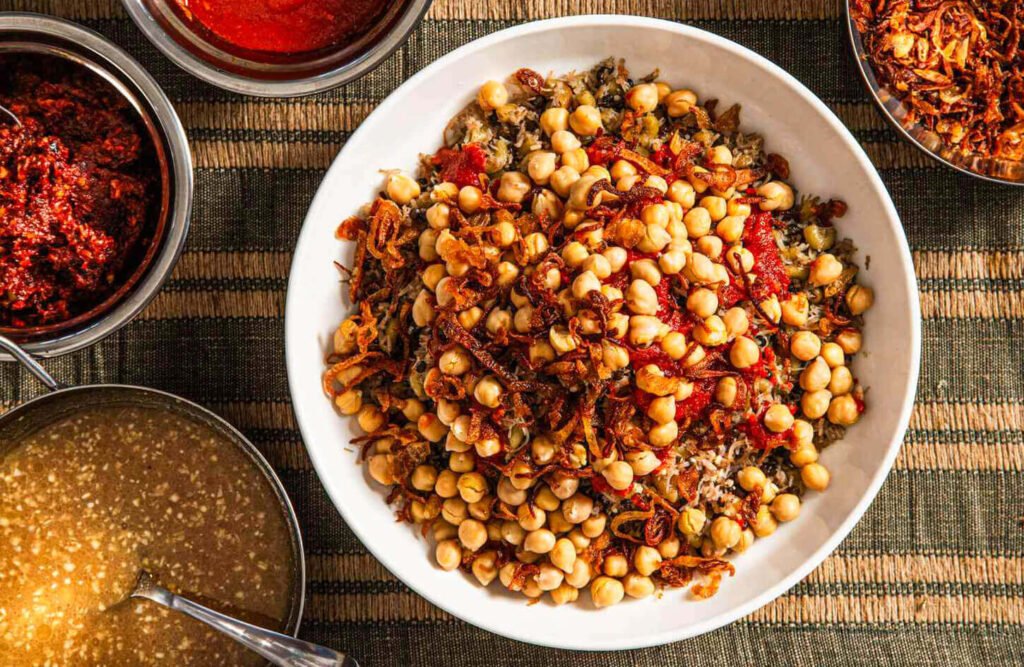
Koshari — Egypt’s National Comfort Dish
If Egypt had a single national dish, it would be Koshari. This humble yet satisfying bowl combines rice, lentils, chickpeas, macaroni, and crispy onions, all topped with spicy tomato sauce and tangy vinegar. It’s entirely vegetarian, full of flavor, and completely safe when eaten fresh — which it almost always is, because koshari restaurants cook and serve constantly throughout the day.
Koshari is ideal for cruise travelers because it’s quick, filling, and light on the stomach. You’ll find the best versions at local chains like Abou Tarek or Koshary El Tahrir in Cairo, both known for high cleanliness standards and fresh preparation. Locals often say, “If the line is long, the food is fresh,” and this couldn’t be truer for koshari spots.
Taameya (Egyptian Falafel) — Crispy Breakfast Favorite
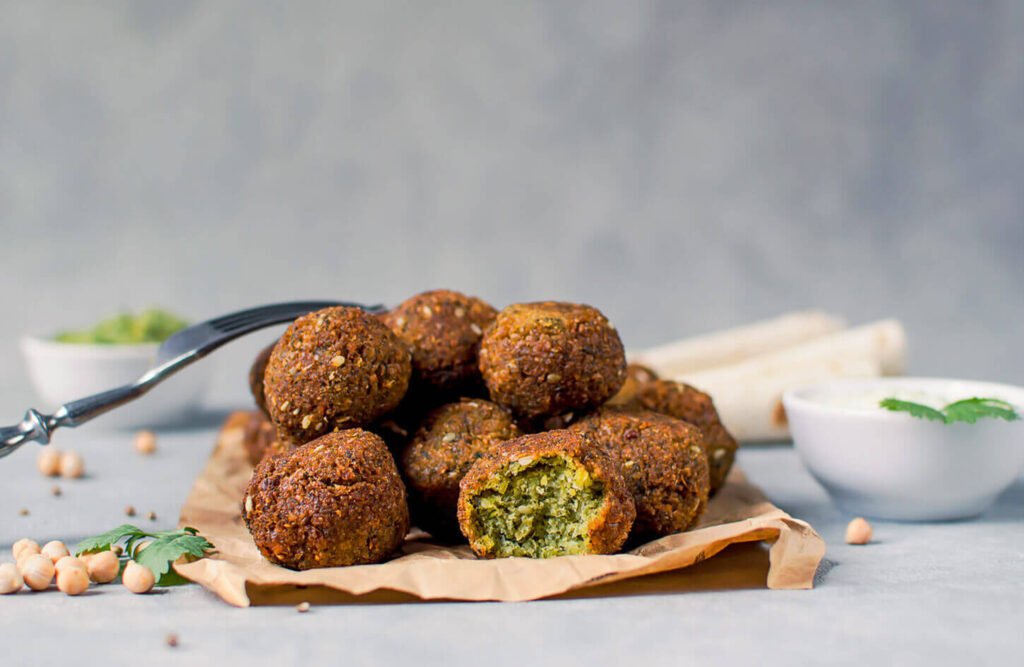
Before your morning sightseeing, grab a taameya sandwich — Egypt’s version of falafel made with fava beans instead of chickpeas. This gives it a softer texture and a vibrant green color inside. Taameya is a beloved breakfast food, usually served in baladi bread (Egypt’s traditional pita) with fresh herbs and pickles.
For cruise guests, taameya is perfect for a quick, flavorful breakfast before heading to the Pyramids or Luxor temples. To ensure safety, always choose places where the falafel is fried fresh to order, such as Felfela or Zooba in Cairo — both known for modern hygiene with authentic taste.
Unravel the mystery of shore excursions in Egypt—read more!
Ful Medames — Traditional Egyptian Bean Dish
Ful (pronounced “fool”) is one of Egypt’s oldest dishes — a slow-cooked fava bean stew flavored with olive oil, lemon juice, and cumin. It’s protein-packed, mild, and incredibly versatile. Locals eat it for breakfast or lunch, often with bread, eggs, or taameya on the side.
Cruise travelers love ful because it’s light yet filling, and easy to digest — ideal during a long touring day. You’ll find it served at small eateries and hotel breakfast buffets alike. For an authentic yet safe experience, try Felfela Café in downtown Cairo or Sofra Restaurant in Luxor, both known for their clean, traditional presentation.
Shawarma — Fast, Flavorful & Easy for On-the-Go Travelers
When your tour schedule is tight, shawarma is a perfect grab-and-go meal. Thin slices of marinated beef or chicken are stacked on a rotating spit, slowly roasted, and shaved off to fill warm pita with garlic sauce, tahini, and pickles.
It’s safe, freshly prepared, and ideal between sightseeing stops. Local favorites include Gad (a well-known Egyptian chain) and Arabiata in Cairo, both reliable for clean, authentic shawarma. If you’re in Luxor, look for small grills near the Corniche where meat is cooked right in front of you — freshness is the key.
Kofta & Grilled Meats — For BBQ Lovers
For travelers craving something heartier, kofta (minced meat skewers) and grilled chicken or lamb are a must. These dishes are best enjoyed in sit-down local restaurants rather than from street stalls, as proper grilling ensures safety and flavor.
Kofta meals usually come with rice, salad, and fresh bread — making them a satisfying lunch stop. In Cairo, try Abou Shakra or El Prince, both long-standing local favorites. In Luxor, El Hussein Restaurant offers a similar experience along the Nile with freshly grilled meats and scenic views.
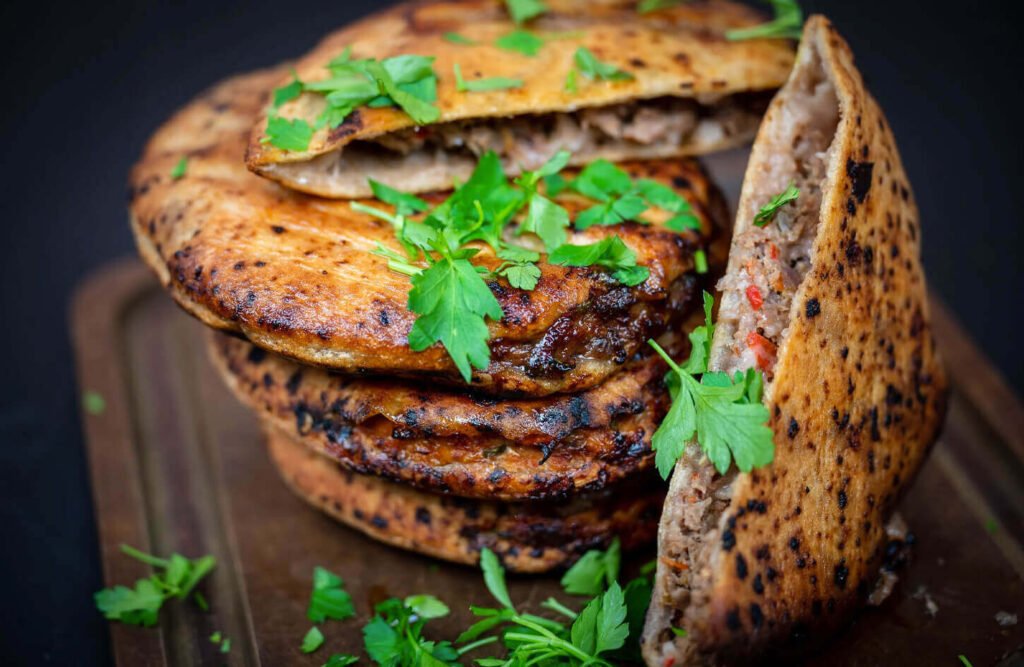
Fresh Egyptian Bread (Aish Baladi) — A Taste of Daily Life
No meal in Egypt is complete without Aish Baladi, the traditional whole-wheat bread baked in clay ovens. Egyptians call it “the life bread,” reflecting its deep cultural and spiritual importance. It’s light, warm, and slightly smoky from the oven — often baked right before serving.
For visitors, it’s perfectly safe when it’s hot and fresh. You’ll often see locals carrying stacks of it from neighborhood bakeries. When your guide stops at a local restaurant, don’t miss the chance to tear into one piece straight from the oven — it’s a small but authentic Egyptian experience.
Avoid wasting time in Cairo—discover the truth behind cruise buses!
Hibiscus (Karkadeh) & Fresh Sugarcane Juice
After hours of exploring in Egypt’s sun, few things refresh better than a chilled glass of Karkadeh — hibiscus tea that’s deep red, sweet, and tangy. It’s caffeine-free and traditionally served both hot and cold. Another popular drink is fresh sugarcane juice, pressed right before your eyes.
Both are safe if made fresh and served in clean cups. Ask your guide to stop at a reputable juice shop — they’ll know which ones handle water safely and use freshly washed glasses. These drinks are a great way to cool down and taste the sweetness of Egyptian life after visiting temples or the Pyramids.
Vegetarian & Senior-Friendly Egyptian Dishes
Egyptian cuisine naturally offers a wide range of vegetarian-friendly and light options, perfect for travelers who prefer mild flavors or have sensitive stomachs. Since many Egyptian staples are based on lentils, beans, rice, and vegetables, it’s easy to enjoy authentic local meals without any discomfort.
Koshari, taameya, and ful medames are all excellent vegetarian choices — high in protein, nutritious, and gentle on digestion. They’re also made fresh daily, which makes them ideal for older travelers or anyone cautious about trying new foods. Pair them with aish baladi (Egyptian bread) and you have a complete, balanced meal.
For lighter sides, ask for molokhia (a green leafy soup served with rice) or lentil soup, both traditional Egyptian comfort foods often available in restaurants. Many local eateries also offer vegetable stews like bamya (okra) or besara (a mashed fava bean dip) — flavorful yet mild.
Cruise travelers can enjoy these dishes safely in reputable restaurants such as Sofra in Luxor, Zooba, or Felfela in Cairo, where hygiene standards are excellent and the flavors remain true to local tradition.
What to Avoid if You Have Limited Time Ashore
While Egypt’s food scene is incredibly inviting, cruise travelers should be mindful of what to skip when on a tight schedule. Not everything is unsafe — but a few simple precautions can make your shore experience smooth and worry-free.
- Avoid raw salads or pre-cut fruits sold in open-air stalls. They may have been washed in untreated water.
- Skip ice in drinks unless it’s clearly made from bottled water or served at a reputable restaurant.
- Be cautious with dairy desserts like rice pudding or custards from small street shops — they spoil easily in the heat.
- Avoid reheated or buffet-style meals from tourist traps near major sites. Freshly cooked dishes are always safer and tastier.
If you follow one rule, let it be this: “Hot and freshly cooked beats cold and pre-made.” Egyptian food is most delicious when it’s sizzling right off the pan or grill — and that’s exactly how locals eat it.
Best Local-Approved Food Stops on Cairo or Luxor Tours
Choosing the right food stop can elevate your entire shore excursion. Many private tours can include a safe, local-approved meal stop that fits neatly into your sightseeing route — no detours, no wasted time.
In Cairo, travelers can enjoy:
- Abou Tarek (Downtown) – Famous for koshari, spotlessly clean, and fast service.
- Felfela (Tahrir Square) – Iconic Egyptian restaurant offering taameya, ful, and grilled dishes in a cozy, traditional setting.
- Zooba (Zamalek or Downtown) – Modern, hygienic, and colorful — perfect for a light falafel or ful sandwich.
In Luxor, top local favorites include:
- Sofra Restaurant – Known for authentic recipes, elegant decor, and clean, freshly cooked dishes.
- El Hussein Restaurant – Great for grilled meats or kofta after visiting the temples.
- Jamboree Restaurant – Offers a variety of Egyptian and vegetarian dishes with Nile views.
Most guides can easily include a short, safe lunch stop at one of these places, ensuring you experience real Egyptian flavor without rushing or risking your stomach.
Etiquette Tips — How to Eat Like an Egyptian (and Be Respectful)
Dining in Egypt is as much about culture as it is about taste. Locals value hospitality deeply, and sharing food is a sign of friendship. Here are a few quick etiquette tips that help you enjoy your meal like a true local:
- Share plates: Egyptians often eat family-style. Don’t be shy about sharing a large dish of koshari or grilled meat.
Use your right hand: When eating with your hands or picking bread, always use the right hand — it’s considered polite. - Respect the bread: Egyptians treat aish baladi as sacred. Never throw it away or place it directly on the floor.
- Tipping: Leave a small tip (around 10%) at sit-down restaurants — it’s appreciated even if service is included.
- Say “Shokran” (Thank you): A simple “shokran” goes a long way and is always met with a warm smile.
By following these customs, you’ll connect with locals more genuinely — and perhaps even get a few extra bites of something delicious on the house.
Stay safe while cruising in Egypt—our expert tips await!
Final Bite — Add Flavor to Your Shore Excursion
A trip to Egypt is never complete without tasting its food. Between the Pyramids, temples, and tombs, there’s an entire culinary story waiting to be experienced — one plate at a time. Trying a bowl of koshari or sipping karkadeh under the sun adds depth to your journey, turning your excursion into a memory that lingers long after you sail away.
With a local guide, a few trusted eateries, and a sense of adventure, you can safely savor Egypt’s flavors like a true insider. Whether you’re in Cairo, Giza, or Luxor, remember: the best souvenir you can take home might just be the taste of authentic Egyptian food.
Local Insider Food Tips to Sprinkle Along Your Journey
- If bread is coming straight from the oven, it’s safe — Egyptians consider it sacred.
- Koshari restaurants with long lines are the safest — high turnover means everything is fresh.
- Ask your guide where they would grab a quick bite — that’s where the real flavor lives.
- When in doubt, go vegetarian — Egypt’s bean and lentil dishes are both safe and authentic.
- Freshly squeezed sugarcane juice is a local favorite — always ask for a clean glass.
Is Egyptian street food safe for cruise travelers?
Yes — as long as you choose wisely. Street food in Egypt can be both delicious and safe if you eat where food is cooked fresh in front of you and there’s a steady flow of locals. Avoid anything pre-prepared or left uncovered. Dishes like taameya (Egyptian falafel) and koshari are safe options since they’re freshly fried or boiled. When in doubt, ask your local guide for a trusted spot that meets hygiene standards.
What is the most recommended local dish during a Cairo shore excursion?
Without question — Koshari. It’s Egypt’s national dish, fully vegetarian, full of energy, and widely available at clean, local-approved eateries such as Abou Tarek or Koshary El Tahrir. It’s a true taste of Cairo’s street culture without any health risk. Pair it with a cold hibiscus drink (karkadeh) for the perfect Egyptian lunch stop between your visits to the Pyramids or the Egyptian Museum.
Can vegetarians find food options in Egypt?
Absolutely. Egyptian cuisine is naturally rich in vegetarian-friendly dishes like ful medames, koshari, taameya, lentil soup, and molokhia. Many restaurants also offer meat-free versions of traditional meals. Even on a quick shore excursion, you’ll find plenty of satisfying vegetarian options that are mild, healthy, and easy to digest.
Local private tours offer more freedom—find out why!
Are there quick food stops included in private Cairo tours?
Yes, most private Cairo tours can easily include a short food stop by request. Local guides know exactly where to go for quick, clean, and authentic meals that won’t delay your sightseeing. For instance, you can enjoy a fast koshari lunch in downtown Cairo or a falafel sandwich stop near Giza — all within your cruise day schedule. Always mention your dietary preferences or sensitivities to your guide before the tour begins.
What drink should I try in Egypt that’s safe and refreshing?
Try Karkadeh (hibiscus tea) — it’s naturally caffeine-free, antioxidant-rich, and safe when made with clean water. Another great choice is fresh sugarcane juice, pressed on the spot at reputable juice stands. If you prefer bottled drinks, Egypt’s local brands like Juhayna and Baraka water are reliable options for staying hydrated during your excursion.
Conclusion
Every traveler comes to Egypt dreaming of seeing the Pyramids, sailing the Nile, or walking through ancient temples — but the memories that truly linger are often found on the plate. Tasting koshari from a busy Cairo kitchen, sipping hibiscus tea after exploring Luxor, or biting into warm aish baladi bread fresh from the oven connects you with Egyptian life in a deeply personal way.
For cruise travelers, these authentic food moments are easy to enjoy safely — with the right guidance and local insight. Whether you’re on a tight schedule or have a full day ashore, Egypt’s cuisine offers something for everyone: flavorful vegetarian dishes, freshly grilled meats, and refreshing drinks that capture the spirit of the Nile.
So, on your next shore excursion, don’t just see Egypt — taste it. Let your journey include a little spice, a little sweetness, and a lot of local warmth. Because when you savor Egyptian food, you’re not just trying a meal… you’re experiencing a piece of Egypt’s living history.