
If you’ve ever seen photos of travelers standing almost alone in front of the Great Pyramid, you might wonder — how did they manage that when cruise buses unload hundreds of people at once? The secret isn’t a VIP pass or special access… it’s timing.
Most cruise-organized excursions leave the port later in the morning and reach Giza around 11 AM, just as waves of tour buses from hotels and other ships begin flooding the area. By then, the desert sun is strong, photo spots are crowded, and the vendors have fully woken up — all chasing the same few shaded corners.
But there’s another way. With a private local guide and an early departure from port, you can reach the Pyramids right as the gates open. The morning air is cooler, the site is quiet, and the light turns the limestone blocks golden — a photographer’s dream. This guide reveals exactly when to arrive at the Pyramids for cruise travelers, plus insider timing hacks locals use daily to beat the crowds and reclaim the magic of ancient Giza.
Key Takeaways
- Best arrival time: Between 8:00–9:00 AM, before cruise buses arrive.
- Cruise buses reach Giza between 10:30–11:30 AM, creating heavy congestion.
- Private tours departing right after port clearance save up to 45 minutes, skipping delays.
- Early arrivals enjoy cooler temperatures, softer light, and unobstructed photos.
- Timing flexibility with local guides ensures you’re always ahead of the crowd.
Why Timing Matters for a Better Pyramids Experience
When it comes to visiting the Pyramids of Giza, timing is everything. Most travelers don’t realize how dramatically the atmosphere of the site changes throughout the day. Arrive too late, and you’re met with thick crowds, long ticket lines, and harsh desert heat that can sap your energy before you even reach the base of the Great Pyramid. But if you arrive early, the entire experience transforms. The morning is quieter, the light is softer, and even the camels seem to move slower — it’s the difference between a rushed sightseeing stop and a peaceful encounter with one of the world’s most astonishing monuments.
Beyond comfort, timing also determines how much of Giza you truly see. Many cruise excursions are forced to shorten or skip parts of the plateau when traffic or crowding causes delays. By planning an early arrival, you get to explore the panoramic viewpoints, walk around the Great Sphinx, and take photos without waiting for a gap between other groups. It’s not just about avoiding crowds — it’s about seeing the Pyramids the way they were meant to be seen: in silence, under golden light, with space to take it all in.
Cruise Bus Arrival Wave Explained
Every morning, Giza follows a predictable pattern. The archaeological site opens at 8:00 AM, but most large cruise buses don’t leave the port until 8:30 or 9:00 AM. Add in passenger check-ins, headcounts, and the 2.5–3 hour drive from Alexandria or Port Said, and these buses typically reach the Pyramids between 10:30 and 11:30 AM — right when the heat peaks and the entrance area gets most congested.
This is what we call the “arrival wave.” Between 10 and noon, dozens of buses unload simultaneously at the main gate, filling the ticket booths, restrooms, and viewing platforms. Vendors recognize this rhythm too, so they concentrate their efforts during this period, increasing pressure on travelers just as they’re stepping off the bus. By contrast, arriving before 9 AM means skipping the entire surge. You can explore the plateau almost undisturbed, take photos freely, and move between the Great Pyramid, Khafre’s Pyramid, and the Sphinx before the mid-morning chaos begins.
Discover the best way to explore Cairo in one day—see our guide!
How Crowd Levels Change Hour by Hour
From a local perspective, the transformation is striking.
- 8:00–9:00 AM: The site feels almost private. Fewer than a dozen groups are present, the morning light is perfect, and the air is cool enough for walking tours or camel rides.
- 9:30–10:30 AM: Small groups and hotel-based tours start arriving, creating mild congestion near the main entrance. Still comfortable and manageable.
- 10:30–12:00 PM: The cruise bus wave hits. Crowds double or triple, vendors become more persistent, and queues form at every key photo spot — especially the panoramic viewpoint and the Sphinx area.
- 12:30 PM onward: Heat reaches its peak, and even the shortest walk feels longer. Many travelers begin to rush through the remaining sights.
That’s why local guides always say: “The Pyramids are a morning story.” Once you’ve seen the plateau bathed in early sunlight, you’ll never want to face it at noon again.
Ideal Arrival Window for Cruise Travelers
For cruise travelers docking at Alexandria or Port Said, the perfect arrival window to the Pyramids of Giza is between 8:00 and 9:00 AM. This timing aligns perfectly with the site’s opening hours and ensures you reach the plateau before the wave of group buses. It’s not just about being early — it’s about using every minute efficiently from the moment your ship docks.
A private local tour typically begins the moment port clearance is granted, often between 6:30 and 7:00 AM. With a private driver already waiting outside the terminal, you can be on the road immediately — skipping the long wait that happens on cruise-organized excursions. The journey to Giza takes about 2.5 hours, so by the time most large groups are still gathering or signing waivers, you’re already standing at the base of the Great Pyramid.
This early slot rewards travelers with calmer conditions, a cooler temperature (around 24–26°C versus the midday 34°C), and incredible light for photography. It also allows you to finish the main part of the tour before the crowds arrive, leaving time for relaxed exploration or a short local lunch before heading back to port.
What Happens If You Arrive at 11 AM Instead
Arriving late changes the experience dramatically. By 11 AM, the main plateau is already buzzing with visitors — hundreds of people streaming from buses, camel handlers calling for rides, and vendors approaching groups before they’ve even taken their first photo. The sound of engines, horns, and chatter fills the air. What could have been a calm walk around the pyramids becomes a quick dash from one point to another.
Heat is another major factor. By midday, the sun is almost directly overhead, and the limestone reflects the light, making it feel even hotter. Travelers who start their visit at 11 AM often spend less time exploring because of discomfort. Lines at the ticket booth, restrooms, and panoramic viewpoints can easily take 20–30 minutes each. In contrast, those who arrived early are usually finishing their final photos or heading to lunch by that time.
If you’re visiting from a cruise, every minute counts — especially with fixed departure deadlines. An early start doesn’t just mean fewer people; it gives you breathing room in your schedule, making your day more flexible and far less stressful.
Ready for an epic shore excursion? Learn the ins and outs here!
Crowd Intensity Comparison: 8 AM vs 10 AM vs 12 PM
| Time | Crowd Level | Temperature | Experience Summary |
| 8:00 AM | Low | Cool (24–26°C) | Peaceful, best light, few vendors |
| 10:00 AM | Moderate | Warming (28–30°C) | Manageable crowds, photo spots start filling |
| 12:00 PM | High | Hot (33–35°C) | Crowded, long lines, intense heat |
By following the early arrival strategy, you not only enjoy the beauty of the Pyramids but also maximize your comfort and photo opportunities.
How Private Tours Achieve Early Arrival (While Cruise Buses Don’t)
The key difference between a private local tour and a cruise-organized excursion is flexibility. Cruise tours follow strict group logistics — meaning no one leaves until every passenger is accounted for. This can take 30 to 60 minutes after port clearance, as hundreds of travelers line up, show IDs, collect stickers, and wait for buses to fill. Multiply that by two or three buses, and you’ve already lost the early advantage.
Private tours, on the other hand, are built for speed and customization. Your guide and driver are ready the moment your ship clears. As soon as you step outside, you’re on your way. There’s no waiting for others, no headcounts, and no unnecessary stops. This head start often translates to arriving 45–60 minutes before the first cruise buses reach Giza — enough time to explore the Great Pyramid area and take panoramic photos in peace.
This small difference changes everything. You experience the Pyramids before the heat builds, before the crowds arrive, and before the atmosphere shifts from calm to chaotic. The quiet hum of the desert wind replaces the noise of megaphones and engines. It’s the same destination, but an entirely different experience — one that only early, private access can offer.
Cruise Tours Wait for Passenger Headcounts — Major Delay Point
Large cruise excursions are impressive to organize but slow by design. Each bus must wait until all travelers are ready, checked in, and seated. If even one person is delayed disembarking or forgets something on board, the entire group must wait. Multiply this by several buses, and delays easily stretch to an hour before departure.
By contrast, a private guide operates independently of the cruise’s mass schedule. They can time the pickup to match your ship’s docking and port clearance, sometimes even helping you through the exit process. This agility is what makes it possible to beat the crowd — a luxury large tours simply can’t offer.
Private Tour Strategy — Leave Port as Soon as the First Guests Exit
Experienced local guides use a proven strategy: they’re waiting at the port gate before dawn, monitoring ship arrival times in real time. Once clearance is announced, they contact guests immediately and head straight out of the city. By 7:30 AM, they’re already on the desert highway to Giza, while the first cruise buses are still boarding.
This timing difference often means the private car arrives at the Pyramids just as the gates open. It’s not unusual for our guests to take their first photos at 8:15 AM — with the plateau almost empty. By the time the big buses roll in at 10:45 AM, our guests are enjoying tea nearby, their cameras full of crowd-free shots.
Don’t waste precious hours in Cairo—here’s the real reason!
Best Pyramids Photo & Viewing Spots — Based on Time of Day
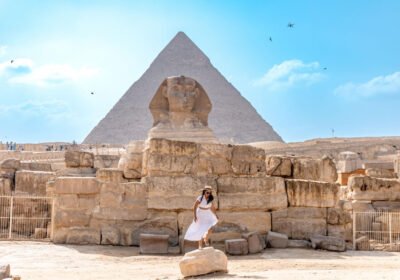
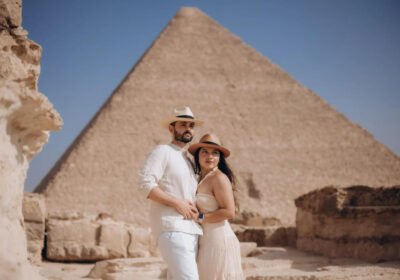
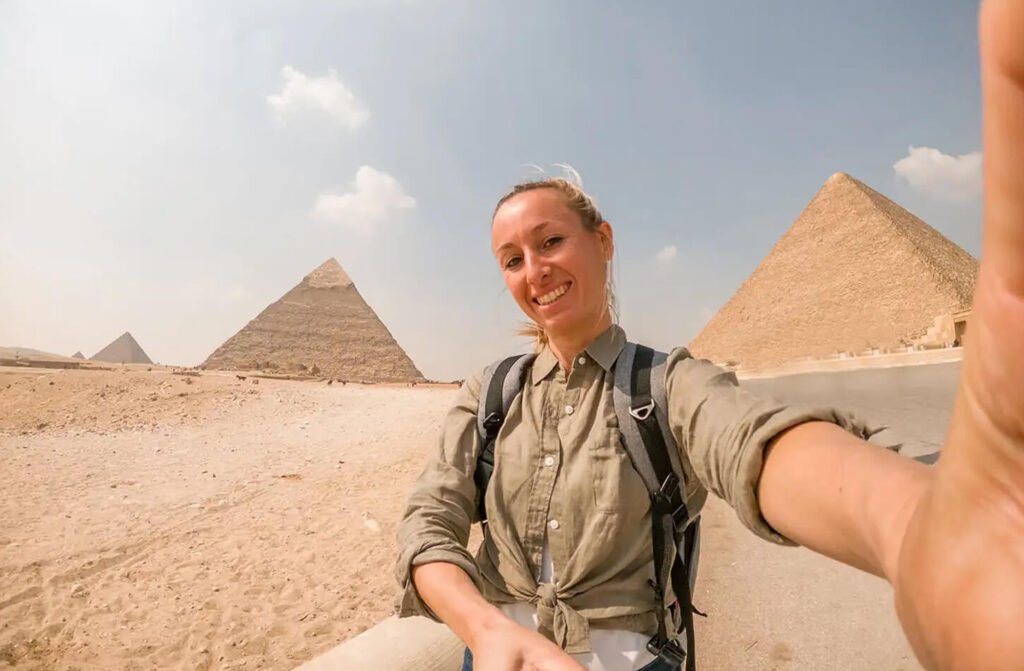
Photography lovers quickly realize that the Pyramids reward early risers. The morning light around 8:00–9:00 AM is soft and golden, casting long shadows that give the monuments incredible depth and definition. By contrast, the harsh midday sun flattens the texture of the limestone, making photos appear overexposed and washed out. If you want your shots to look like those professional travel images — clear blue sky, gentle light, and minimal crowds — early arrival is the key.
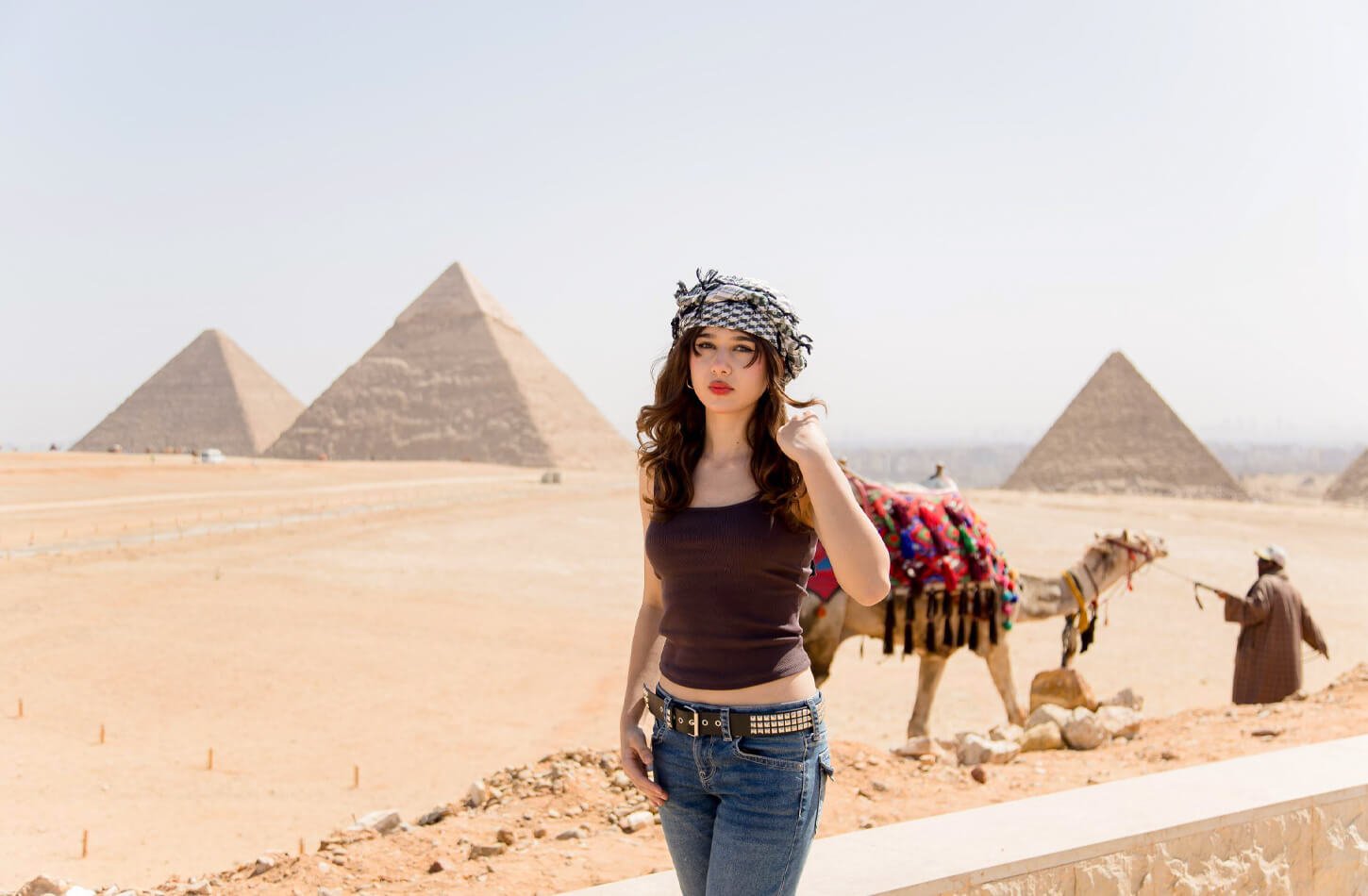
The best photo sequence starts at the panoramic viewpoint just beyond the main entrance. From here, you can capture all three pyramids in one sweeping frame, often with no one else in sight if you arrive before 9 AM. The Great Pyramid of Khufu looks its most majestic in the early light, and even the Sphinx area, which gets busy later, feels almost private in the morning. A private guide can help you position yourself for the best angles while keeping track of time to ensure you’re always one step ahead of the crowd flow.
As the sun climbs higher, photo opportunities shift. Between 10:30 and 11:00 AM, the site begins to fill with visitors, vehicles, and camels. By noon, the bright glare makes it difficult to capture contrast or detail without professional equipment. That’s why locals always recommend starting with the panoramic shots first, then moving toward the smaller temples and the Sphinx before the rush begins.
Morning Light Advantage at the Panoramic Viewpoint
The panoramic viewpoint sits on a small rise overlooking the plateau — a place where you can see all three pyramids aligned in a breathtaking row. At sunrise and early morning, the light comes from the east, striking the pyramids from the front and side, creating warm tones and soft highlights that look beautiful in photos. Professional photographers often call this “the golden window,” lasting from roughly 8:00 to 9:15 AM.
This is also the most peaceful moment of the day. The air is cool, the desert feels still, and there’s enough space to move freely without waiting for others to clear your frame. It’s also the best time to take panoramic selfies, wide-angle shots, and camel photos without crowds in the background.
Fewer Vendors Active in Early Morning — More Relaxed Entry
Vendors and camel handlers usually start their day around 9:30–10:00 AM, after the first tour groups arrive. Before that, only a handful of them are present, and they tend to be more relaxed and less persistent. For travelers who prefer a calm start — or who want to avoid being approached too often — this early period is ideal. You can take your time to admire the scale of the pyramids, enjoy the sound of the wind across the sand, and explore at your own rhythm.
By contrast, arriving at midday means entering through a busy crowd of sellers, photographers, and camel ride offers. While this energy can be part of the local charm, it can also make the experience feel rushed or overwhelming for first-time visitors. Early arrival gives you the best of both worlds — the authentic atmosphere without the chaos.
Your safety matters—discover the top cruise tips for Egypt!
Extra Benefit — Cooler Temperatures & Less Vendor Pressure
One of the biggest advantages of arriving early at the Pyramids isn’t just the lack of crowds — it’s the temperature. The difference between 8:00 AM and 12:00 PM can feel like stepping from a pleasant spring morning into the height of summer. By mid-morning, the desert heat begins to build rapidly, and by noon, the limestone reflects sunlight so strongly that even short walks can feel exhausting.
At 8:00 AM, temperatures hover around 24–26°C, perfect for exploring the open plateau and climbing gentle slopes without discomfort. You’ll have the energy to walk around the Great Pyramid, take photos at the panoramic viewpoint, and still feel refreshed. By 11:30 AM, however, temperatures often reach 33–35°C, and humidity from Cairo’s outskirts adds to the intensity. Many late arrivals find themselves rushing through the tour just to reach shaded areas or their air-conditioned vehicles.
The early morning hours also offer better air quality and visibility. The haze that sometimes settles over Cairo tends to clear overnight, giving early visitors a crisp, blue backdrop for their photos. By noon, fine desert dust and city smog begin to rise, dulling the colors of the sky and reducing the contrast of the pyramids in pictures.
Heat Impact Comparison — Morning vs Noon
| Time of Day | Average Temperature | Comfort Level | Visitor Activity |
| 8:00–9:00 AM | 24–26°C | Pleasant, light breeze | Calm exploration, best walking comfort |
| 10:00–11:00 AM | 28–30°C | Warm but tolerable | Beginning of bus arrivals, mild crowding |
| 12:00–1:00 PM | 33–35°C | Hot and tiring | Visitors shorten tours, high vendor activity |
Early visitors not only enjoy cooler weather but also have more stamina to explore other Cairo landmarks later in the day — like the Sphinx, the Grand Egyptian Museum, or a lunch cruise on the Nile — without feeling drained.
Vendor Activity Increases with Late Arrivals
Just like the crowds, vendor activity follows a daily rhythm. Early in the morning, the vendors who do arrive are often still setting up. They’re more polite, less rushed, and sometimes even happy to chat or take photos with travelers. By mid-morning, once the cruise and hotel buses arrive, the energy shifts. With hundreds of new visitors entering, competition among sellers becomes intense. You’ll hear more voices calling out, offering camel rides, scarves, hats, or bottled water.
Arriving early helps you enjoy a more genuine and peaceful interaction with the few vendors present. Some of them even share local stories or help you capture a perfect panoramic shot in exchange for a small tip. But by noon, the balance tips toward noise and pressure — vendors focus on fast turnover, and travelers often feel overwhelmed. Choosing the early slot keeps your visit comfortable, respectful, and authentic.
Bonus Tip — Pair Early Arrival with Quick Local Breakfast Stop (Taameya & Tea)
There’s a wonderful local secret to starting your Pyramids day right: enjoy a quick Egyptian breakfast before entering the site. Just outside Giza, small family-run cafés begin serving taameya (Egyptian falafel made from fava beans), ful medames (slow-cooked fava beans with olive oil, lemon, and spices), and fresh baladi bread straight from the oven as early as 7:00 AM. Pair that with a glass of sweet Egyptian tea or mint-infused coffee, and you’ll have the energy to explore long before the crowds arrive.
Most private local guides know the perfect roadside cafés on the route from the port to Giza — clean, authentic, and fast. Stopping for just fifteen minutes adds a layer of culture and comfort to your morning. It’s also a chance to experience real Egyptian life as locals start their day: chatting with friends, reading the morning paper, and sipping tea as the city wakes up.

By the time you reach the Pyramids, you’ll have beaten the traffic, tasted something delicious, and set the tone for a relaxed, authentic Cairo adventure. This small detail — a warm breakfast and an early start — often becomes one of the highlights travelers remember most.
Pro Tip: Ask your guide to pick a café that offers a quick takeaway option. Eating a taameya sandwich in the car while watching the sunrise over the desert road is an unforgettable Egyptian moment.
Optional CTA: Our private Cairo tour from Alexandria or Port Said includes early-morning departure, private transport, and an optional local breakfast stop — giving you a calm, crowd-free start to your day at the Pyramids.
Private tours vs cruise line excursions: Which is better for you?
Recommended Timing Template — Sample Cruise Day Breakdown
| Time | Activity | Why It Beats the Crowds |
| 07:30 AM | Port pickup | No bus wait delays; private driver ready on arrival |
| 08:45 AM | Arrive at the Pyramids | Minimal crowd, cooler air, perfect light for photos |
| 10:30 AM | Cruise buses arrive | You’ve already finished main viewing stops |
| 11:00 AM | Optional visit to Sphinx or GEM | Still ahead of main tour traffic |
| 12:30 PM | Lunch or return journey | Relax while others are still queuing at the site |
| 03:30 PM | Arrive back at port | Comfortable timing before ship departure |
This schedule keeps your day efficient and balanced — combining iconic sightseeing with comfort, culture, and flexibility. It’s proof that a well-timed itinerary can turn a busy cruise stop into a smooth, memorable experience.
Final Advice from Local Guides — Beat the Rush, Enjoy the Magic
Every local guide in Cairo will tell you the same thing: the secret to a peaceful Pyramids visit is to move opposite the crowd flow. Timing isn’t just a convenience — it’s a strategy that transforms your entire day. When you arrive early, you experience the site as it truly is: quiet, majestic, and alive with history. The wind whispers through the stones, the sand glows under the first light, and for a brief moment, it feels like the ancient world is yours alone.
By midmorning, that serenity disappears as dozens of buses pull in, bringing a sea of visitors to the plateau. Guides start using microphones, lines form, and photo spots fill quickly. But by then, you’ll already be walking toward the exit with your photos taken, your memories made, and your energy intact. The Pyramids are still the same wonders — but your timing makes all the difference.
Our advice is simple: don’t follow the crowd, outrun it. Choose a private local guide, plan for an early departure, and let the city wake up behind you. The earlier you go, the more magic you’ll find waiting in the stillness of Giza’s morning light.
Insider Tip Callouts
- “If you see large buses pulling in behind you — smile, you’ve already won.”
- “Photographers love the early slot — no people in your shots, just golden light.”
- “Vendor pressure is lowest during the first hour — after 10 AM, it doubles.”
- “Arriving early gives you the freedom to explore calmly — you’re not racing against the clock.”
FAQs
What time does the Pyramids site open?
The Giza Plateau opens daily at 8:00 AM and closes around 4:00 PM (times may vary slightly by season). Arriving right at opening time ensures the quietest experience.
What time do most cruise buses arrive at the Pyramids?
Large cruise groups typically arrive between 10:30 and 11:30 AM, after the 2.5–3 hour drive from Alexandria or Port Said.
Is it worth waking up early to beat the crowds?
Absolutely. The difference in atmosphere, temperature, and photo quality is dramatic. Early visitors enjoy cooler weather, softer light, and a peaceful setting.
Can private tours leave earlier than cruise excursions?
Yes. Private tours can depart immediately after port clearance — often 45 to 60 minutes earlier than cruise-organized buses.
What time should I expect to return to the ship if I do an early Pyramid visit?
With an early start, most travelers return to port by 3:30 PM, leaving plenty of time before ship departure.
Conclusion
Visiting the Pyramids of Giza is a once-in-a-lifetime experience — but how you plan your timing can make the difference between a rushed, crowded visit and a calm, unforgettable encounter with history. For cruise travelers, the secret is simple: arrive early. By departing port as soon as clearance is granted and reaching Giza around 8:00–9:00 AM, you step into a quiet, golden-lit world that most visitors never see.
In those early hours, the desert breeze is cool, the crowds are few, and the pyramids seem to rise out of the sand in complete serenity. You can take your time exploring, enjoy the views without waiting, and even stop for a relaxed local breakfast before the day heats up. By the time the cruise buses arrive, you’ll already have your photos, your memories, and the satisfaction of seeing Egypt’s greatest wonder in peace.
The Pyramids haven’t changed in 4,500 years — but your timing can change everything. Start early, travel smart, and let the magic of the morning show you the Pyramids as they were meant to be seen.