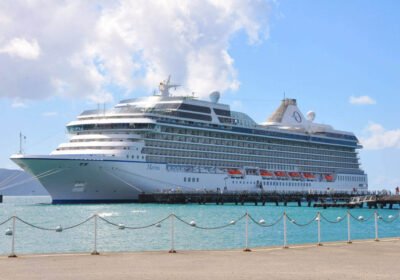


If you’re planning to visit Cairo from your cruise ship, you’ll witness two completely different realities unfolding at once. By 10 AM, small private groups are already taking photos at the Great Pyramid, while the large cruise buses are still idling in the parking lot — waiting for everyone to count in, queue for tickets, or finish a quick restroom break.
As an Egyptologist guide who works with both cruise passengers and private shore excursions, I’ve seen firsthand how valuable hours slip away — not because of distance, but because of delays caused by group logistics. On average, cruise passengers lose up to two full hours of sightseeing time before they even reach their first major stop. The irony? Private tours often cost the same, yet they simply use time smarter — leaving earlier, moving faster, and enjoying Cairo’s landmarks before the midday rush.
In this guide, I’ll reveal exactly where those lost hours go, how private Egyptologist-led tours maximize your time, and why both comfort and safety in Egypt are far better with smaller, professional local teams.
Key Takeaways
- Cruise bus excursions often lose 1.5–2 hours due to slow group logistics.
- Headcounts, bathroom stops, and waiting for passengers cause major delays.
Private tours depart earlier, move faster, and arrive before the crowds. - Saving 60–90 minutes means extra time at the Pyramids or an added stop like Old Cairo.
- Egyptologist-led private tours maximize site time and minimize wasted waiting.
The Illusion of Full-Day Cairo Excursions — Why Time Is Lost
Every cruise brochure promises a “full-day Cairo excursion.” On paper, it sounds like you’ll have an entire day to explore Egypt’s ancient wonders — the Great Pyramids, the Sphinx, and the Egyptian Museum. But what most travelers don’t realize is that a 10-hour itinerary doesn’t mean 10 hours of sightseeing. Between port security, convoy organization, group counting, bathroom stops, and mandatory lunch breaks, the real time spent exploring is usually no more than six hours — sometimes even less.
For large cruise groups, delays start long before you even reach Cairo. Hundreds of passengers disembark at once, all needing to find their designated buses. Guides must wait for full attendance before departure, and missing passengers can delay the whole convoy. These inefficiencies are not caused by poor planning — they are simply the reality of large group logistics.
Wondering what to expect from a private Egypt shore excursion? Find out!
Meanwhile, private Egyptologist-led tours skip these bottlenecks entirely. They depart as soon as guests are ready, travel directly to the sites, and arrive before the waves of cruise buses appear. The difference might seem small — 30 minutes here, 20 minutes there — but by the end of the day, it adds up to two precious hours of lost exploration that could have been spent standing before the Great Sphinx instead of standing in a parking lot queue.

Cruise Itinerary Says “10-Hour Tour” — But Only 6 Hours Are Actually Sightseeing
Here’s how a typical “10-hour” Cairo cruise excursion breaks down in reality:
- 1 hour — Disembarking, finding buses, headcounts before departure.
- 3 hours — Travel time between port (Alexandria or Sokhna) and Cairo.
- 30–45 minutes — Bathroom and snack stops en route.
- 4–5 hours — Actual sightseeing (often rushed and cut short).
- 1 hour — Delays returning to the port, final headcount, and check-in.
So, out of the total “10-hour” tour, you’re left with roughly 6 hours of real sightseeing time, at best.
Now compare this to a private tour:
Your guide meets you directly at the port gate, you depart immediately, skip unnecessary stops, and arrive at the Pyramids before the big buses. You get more photos, less crowd, and a richer, calmer experience — the way Cairo should truly be seen.
Where the Other Hours Disappear
Cruise line excursions operate on strict safety and timing protocols — understandable, given the size of the groups and coordination involved. However, these very safety checks, combined with the slow movement of large groups, eat away at sightseeing time. Passengers must always move together, even for bathroom breaks. If one person lingers, the entire group waits. Headcounts can take 15–20 minutes each, and even minor delays multiply when repeated several times throughout the day.
It’s not uncommon for buses to leave the port nearly an hour later than planned or arrive at the Pyramids after the morning rush. By then, the site is packed with other groups, lines are long, and photo opportunities are crowded.
By contrast, private tours maintain the same level of safety in Egypt — often higher — but with vastly more flexibility. Licensed Egyptologist guides manage fewer guests, allowing faster movement, personalized pacing, and earlier arrivals. That’s how they turn a “10-hour day” into 8 true hours of cultural immersion instead of just 6.
Ready for a Cairo day tour from Sokhna Port? Let’s make it happen!
Delayed Departure Due to Slow Headcounts
If you’ve ever watched the scene at an Egyptian cruise port around 7:30 AM, you’ll instantly understand why most cruise buses leave late. Hundreds of passengers disembark almost at the same time, forming long lines at port security and waiting areas. Each cruise line organizes its own set of buses, each with a list of 40–50 passengers who must all be present before departure. Even if just two people are late — perhaps waiting for luggage, finishing breakfast, or confused about their bus number — the entire group must wait.
For most large cruise excursions, this delay averages 30 to 45 minutes before the convoy even begins to move. By the time the last bus clears port security, private small-group travelers have already been on the road for half an hour and are approaching the outskirts of Cairo.
Cruise Buses Wait Until Every Passenger Checks In — 30–45 Minutes Lost on Average
Cruise buses are not allowed to leave until all passengers are accounted for. The tour manager must verify everyone’s presence against the manifest, often performing multiple headcounts — one inside the terminal and another once everyone is seated on the bus. Add to that the time required to distribute water, hand out itinerary sheets, and make announcements, and you’ve already lost precious minutes before your adventure even begins.
For passengers, this delay doesn’t feel dramatic — it’s just “part of the process.” But for time-conscious travelers, it’s the first major difference between a standard cruise tour and a private one.
Insider Note
Private tours leave as soon as you exit the port — no waiting for others.
Private Egyptologist-led tours operate independently of the cruise convoy. Your guide is waiting just outside the port gate the moment you disembark. Once your small group is ready, you go — no lists, no waiting, no headcounts. This early departure means you reach the Pyramids up to 90 minutes earlier than the big buses. That’s often the difference between standing in front of the Great Pyramid in peace or sharing the view with hundreds of others.
In Egypt, time is your most valuable currency — and spending it wisely at the right hours transforms your entire experience.
Bathroom and Stretch Stops Become 30-Minute Events
On paper, a quick bathroom stop sounds harmless — a five-minute break for everyone to refresh before continuing the journey. But when you’re traveling with 40 to 50 passengers, that same stop can easily stretch into 30 minutes or more. Multiply this by two or three breaks during the day, and suddenly, an hour or more of valuable sightseeing time disappears without anyone realizing it.
When a bus convoy traveling from Alexandria or Sokhna to Cairo makes a stop, passengers line up one after another. Restroom facilities along the highway are often limited, meaning queues move slowly. Add in time for snacks, smoking breaks, souvenir browsing, and late returns, and the 10-minute pause becomes half an hour — or longer if another bus group arrives at the same stop.
By contrast, private Egyptologist-led tours operate with small, efficient groups — usually two to six people. Bathroom stops take no more than five to ten minutes. You’re back on the road quickly, arriving at the Giza Plateau before the crowds. It’s a small difference that adds up to an extra hour of sightseeing by the end of the day — time you could spend exploring inside the Pyramid of Khufu or walking down to the Sphinx viewpoint instead of waiting in a roadside queue.
50 People Lining Up vs Small Group Stops — Time Impact Explained
Let’s visualize the difference clearly:
| Group Type | Passengers | Average Stop Duration | Total Time Lost per Day |
| Cruise Bus | 45–50 passengers | 25–30 minutes | 60–90 minutes |
| Private Tour | 2–6 passengers | 5–10 minutes | 15–20 minutes |
For a large group, every simple action — restroom break, photo stop, or souvenir shop visit — becomes an operation that must be coordinated, counted, and double-checked. Even if everyone follows instructions perfectly, the physical act of moving dozens of people takes time. And when one or two guests wander off, the entire group must wait.
Private tours, however, move like clockwork. With only a handful of travelers, your guide adjusts stops according to your comfort without compromising the itinerary. That flexibility not only saves time but also makes the journey far more relaxed — no pressure, no rushing, and no waiting on others.
One day or overnight in Cairo? We’ll help you decide!
Egyptologist Insight:
“In large cruise groups, I’ve watched 40 people line up for coffee at the rest stop while the sun climbs higher over Giza. By the time we arrive, the Pyramids are already crowded, and photo spots are filled. In private tours, we skip that rush completely — we’re at the site when it’s calm, quiet, and magical.”
Bathroom and stretch stops might seem like minor details, but in a city where every minute counts, they are one of the biggest hidden causes of lost sightseeing time.
Security Rechecks & Reboarding Delays
One of the least visible — but most time-consuming — parts of cruise bus excursions in Egypt is security rechecks and reboarding procedures. While these checks are essential for passenger safety, they can add up to another 30–45 minutes of lost time throughout the day. Large groups traveling in multiple buses must pass through several layers of security: port gates, checkpoints on the highway, museum entrances, and the Giza Plateau.
Each stop requires the same sequence — disembark, pass through metal detectors, bags scanned, reboard, recount passengers. With 40 or more travelers per bus, even a simple checkpoint becomes a lengthy operation. When multiplied across several stops, this eats away at sightseeing time without most passengers even realizing it.
Private tours, on the other hand, move through these same security points faster and more efficiently. Licensed Egyptologist guides use smaller vehicles, which undergo a single quick inspection. Fewer people mean shorter lines, quicker reboarding, and no repeated headcounts. These small differences often result in arriving at each site 20–30 minutes earlier — a major advantage when visiting world-famous landmarks like the Pyramids or the Egyptian Museum before the midday crowds.
Buses Get Rechecked — Private Vehicles Often Pass Quicker
Cruise buses typically travel in convoys under coordination with local authorities. This ensures maximum safety but also means that every bus must wait for others to complete inspection before the convoy proceeds. Even if one bus is delayed, the entire group must wait — no vehicle can move ahead independently.
Private tours aren’t part of these convoys. Their licensed drivers and Egyptologist guides are registered with the Ministry of Tourism and can travel directly to each attraction under their own itinerary. Their vehicles pass the same security standards but move individually and efficiently, skipping the collective waiting time that slows down cruise buses.
This independence allows private tours to reach Cairo earlier, move freely between sites, and adapt quickly if traffic or timing changes. You’ll spend less time sitting behind tinted bus windows — and more time exploring Egypt’s treasures up close.
Egyptologist Perspective:
“With cruise buses, I sometimes spend 15 minutes at every checkpoint just waiting for the line to move. On private tours, the process takes two minutes — we show our permits, and we’re through. That’s how we gain nearly an hour of extra site time without rushing.”
Security is equally strict for both types of tours, but the difference lies in group size and flexibility. Smaller groups maintain the same high level of safety in Egypt, yet enjoy smoother movement, shorter waits, and more freedom to explore.
Group Movement at the Pyramids Is 3× Slower
The Giza Plateau is one of the most breathtaking places on Earth — but it’s also where large cruise groups lose the most time. Once the buses finally arrive, the process of getting 40–50 people off, gathering them together, and moving from one site to another is three times slower than in a small private group. While a handful of private travelers are already standing before the Great Pyramid, large cruise groups are still waiting in line, adjusting audio headsets, and gathering under guide flags.
Every movement — from walking to the ticket booth, to boarding the internal shuttle, to taking group photos — takes longer simply because of the number of people involved. Guides must constantly count and recount, ensuring no one gets lost among the thousands of visitors. When the group finally reaches the Sphinx, they often have just 15–20 minutes left before needing to return to the bus for the next stop.
In contrast, private Egyptologist-led tours move freely and efficiently. With no need to coordinate large groups, your guide adjusts the route dynamically — skipping crowded spots, spending more time at quieter viewpoints, and explaining history without interruption. You get to experience the wonder of Giza calmly, not as part of a marching crowd.
Large Groups Move Like a School Trip — Private Tours Move Freely
Large groups function like mini field trips. Every participant must stay together for safety and accountability. That means waiting for slower walkers, reassembling after photo breaks, and dealing with inevitable coordination hiccups. The result? You spend more time following than discovering.
Private tours, on the other hand, are fluid. Your Egyptologist guide tailors the pacing to your interests — whether you want more time photographing the Pyramids, exploring inside a tomb, or walking down to the Sphinx enclosure. There’s no rush, no waiting, and no repetitive “please keep up” announcements.
This flexibility often gives private travelers an extra 30–40 minutes at the Giza Plateau — time that can transform an ordinary visit into a once-in-a-lifetime experience. You can explore panoramic viewpoints, enjoy a camel ride with the Pyramids in the background, or simply stand quietly before the ancient stones and absorb their majesty.
Side-by-Side Time Comparison — Private Tour vs Cruise Bus Day
To truly see the difference, let’s compare a real-world timeline. Both tours claim to offer a “full-day Cairo excursion,” but what actually happens hour by hour tells a very different story.
| Stage | Private Egyptologist Tour | Cruise Line Bus Tour |
| Depart Port | 07:30 — Immediate departure after meeting your guide at the gate. | 08:30–09:00 — Delayed departure after headcounts and bus organization. |
| Arrive at Pyramids | 09:00 — Early arrival, minimal crowds, soft morning light for photos. | 10:30–11:00 — Arrive after rush hour; site already crowded and hot. |
| Time at Pyramids | Full 60–75 minutes of exploration, photo stops, and optional entry inside a Pyramid. | 30–40 minutes before next headcount or scheduled lunch. |
| Visit to Sphinx | 10:30 — Arrive calmly and enjoy the site before major bus arrivals. | 11:30–12:00 — Arrive when crowds are thick and walking paths congested. |
| Lunch | 12:30 — Relaxing meal with pyramid view or local restaurant. | 13:00 — Fixed lunch stop with large groups and buffet queues. |
| Egyptian Museum | 13:45–15:15 — Full guided tour, time to explore highlights like Tutankhamun’s treasures. | 14:30–15:15 — Rushed visit, often skipping rooms due to limited time. |
| Return to Port | 15:30 — Early return, stress-free, no rush. | 17:30 — Late arrival, often close to cruise boarding deadline. |
The difference isn’t just in timing — it’s in how those hours feel. Private tours let you move with purpose and enjoy each site fully, while cruise buses are bound by logistics and schedules that constantly eat away at the experience.
Discover the must-try Egyptian dishes for cruise travelers—start here!
Callout: These Lost Minutes Add Up
Each delay — a bathroom stop here, a headcount there — may not seem major on its own. But together, they can result in losing up to two full hours of sightseeing time. That’s time you could have spent walking inside the Great Pyramid, visiting the new Grand Egyptian Museum, or exploring Old Cairo’s ancient churches.
In travel, time isn’t just a number — it’s your chance to connect with history, take meaningful photos, and create memories. Once it’s gone, you can’t get it back. Private tours don’t give you more hours in the day; they simply give those hours back to you.
Egyptologist Insight:
When I guide private groups, we reach Giza early enough to enjoy the quiet before the crowds. With cruise buses, I often spend that same time waiting for passengers to reboard. It’s the same day, the same city — but two completely different experiences.”
Efficient use of time is the real luxury in Cairo. It’s not about how much you pay — it’s about how wisely you use the hours you already have.

Why Extra Time Matters — What You Can See If You Don’t Waste It
When travelers hear they can “save up to two hours,” it might sound like a small bonus. But in Cairo, two hours can completely transform your experience. Those extra minutes can mean the difference between rushing past history — or truly living it.
With private Egyptologist-led tours, the time you save translates directly into deeper exploration and more meaningful discoveries. Imagine standing in front of the Great Pyramid with the golden morning light still soft across the stones, without the noise of a dozen megaphones. Imagine having enough time to step inside a pyramid chamber or climb to the panoramic viewpoint overlooking all three Pyramids — something most cruise passengers never get to do because their schedule is too tight.
That extra hour could also allow for a fascinating detour through Old Cairo, where you can walk the narrow streets of the Coptic Quarter, visit the Hanging Church, or step inside Ben Ezra Synagogue — one of Egypt’s oldest. Or perhaps you’d prefer to stop at Khan El Khalili Bazaar, sipping mint tea as your guide helps you bargain for souvenirs before heading back to your ship.
These aren’t “extra” stops; they’re the experiences that make Cairo unforgettable. And the only difference between those who see them and those who miss them is how they use their time.
Bonus Stop at Old Cairo, Bazaar, or Panoramic Viewpoint — Only Possible with Early Arrival
Cruise bus groups often follow fixed schedules set months in advance, leaving no room for flexibility. Once their time at the Pyramids is over, they’re rushed straight to lunch or back toward the port. Private tours, however, adapt to your pace and interests.
Because private travelers reach the Pyramids early, they often finish sightseeing while others are still arriving — freeing up time for an additional visit. Some guests choose to explore Old Cairo, visiting its historic mosques and churches. Others prefer a short shopping experience in Khan El Khalili, Egypt’s most famous bazaar. And photography lovers often opt for a panoramic hill viewpoint, capturing breathtaking shots of the entire Giza Plateau.
In short, early arrival = extra freedom. And that freedom is what separates a typical “tick-the-box” tour from a genuinely memorable Egyptian experience.
More Time = Less Stress = Deeper Experience
The beauty of saving time isn’t just about seeing more — it’s about feeling more. Without the constant pressure of staying on schedule, you can slow down, ask questions, and connect with your Egyptologist guide. Instead of rushing from one stop to the next, you’ll have space to absorb the stories, symbolism, and meaning behind what you’re seeing.
A calmer pace also makes a huge difference when traveling under Egypt’s sun. Arriving early means cooler temperatures, shorter lines, and a more comfortable day overall. It’s not only more efficient — it’s more enjoyable and far more sustainable for travelers of all ages.
Private tours transform your time in Cairo from a checklist into a journey of understanding — where every moment counts, and none are wasted waiting for a crowd to catch up.
Want the best Cairo experience from Alexandria and Port Said? Here’s your guide!
Final Egyptologist Advice — Choose Time Freedom Over Group Delay
After guiding thousands of travelers from both cruise buses and private tours, I can say this with confidence: how you choose to spend your time in Cairo defines your entire experience. The monuments are the same, but the feeling is entirely different depending on how freely you can move through them.
Cruise excursions are safe, convenient, and comfortable — but they come at the cost of flexibility. Every moment is planned for the group as a whole, not for you individually. You’ll see the highlights, but often in a hurry, surrounded by crowds, and with very little time to absorb the magic of what you’re witnessing.
Private tours, on the other hand, give you time freedom — the most valuable thing you can have in Egypt. You move at your own pace, enjoy deeper explanations, and experience world-famous sites before the rush. You can linger longer where it matters most and skip what doesn’t interest you. And because the tours are led by licensed Egyptologists, you maintain the same level of safety in Egypt that cruise lines guarantee, often with even greater personal attention.
Your trip to Cairo shouldn’t be a race against the clock — it should be an immersion into 5,000 years of civilization. Don’t let precious hours disappear in queues, headcounts, and bus delays. You don’t need more time; you just need to stop wasting it.
Egyptologist Quotes for Authority
- When I guide cruise bus groups, I spend more time counting guests than talking about history.
- As Egyptologists, we love private tours — because we actually get to teach, not just manage logistics.
- You don’t need more hours — you just need to stop wasting them.
FAQ
1: Why do cruise excursions leave late?
Cruise buses can’t depart until every registered passenger is accounted for. Headcounts, slow disembarkation, and port clearance often cause 30–45 minutes of delay.
2: How much earlier do private tours depart compared to cruise buses?
Private tours usually depart 30–60 minutes earlier, as they don’t rely on large-group logistics. This allows them to reach the Pyramids before the rush.
3: Can private tours really offer more time at the Pyramids?
Yes. On average, private tours spend 30–40% more time at major sites like the Pyramids and the Egyptian Museum, simply because they move faster and skip waiting.
4: What if the cruise arrives late — will private tours adjust?
Absolutely. Licensed local operators track ship arrivals and adjust departure times accordingly. You’ll never miss your tour or your ship’s departure.
5: Can I still see the Egyptian Museum on a private tour?
Yes, and you’ll likely see it better. With fewer people and more flexible timing, your Egyptologist guide can focus on the highlights — including the treasures of Tutankhamun — without being rushed.
Conclusion
Visiting Cairo from a cruise ship is one of the most unforgettable travel experiences you can have — but how you choose to explore makes all the difference. Many cruise passengers don’t realize how much time is quietly lost to logistics, waiting, and coordination. Between delayed departures, headcounts, bathroom stops, and slow group movement, up to two hours of precious sightseeing time simply vanish.
Private Egyptologist-led tours solve that problem without costing you more time or compromising your safety. They let you depart earlier, move faster, and see more, all while enjoying personal attention and deeper historical insight. You’ll reach the Pyramids before the crowds, explore at your own pace, and have the freedom to add stops like Old Cairo or Khan El Khalili Bazaar — experiences that are impossible to fit into a rigid cruise itinerary.
As an Egyptologist who has guided both cruise buses and private tours, I can say with certainty that time is the real luxury in Cairo. The monuments are eternal, but your hours here are not. Choose a tour that values your time as much as you do — one that turns a rushed visit into a meaningful encounter with history.
Because in Egypt, it’s not about seeing more sites; it’s about experiencing them without losing a single minute to the clock.